

Wipe the exterior of your aroma inhaler weekly, swap the wick the moment scent fades or it looks soiled, and never inhale oil straight from the bottle. These are personal scent devices, not medical inhalers, so anyone with asthma or COPD should treat them with real caution. A clean, non-heated, wick-based design makes the whole routine simpler.
TL;DR:
- Regular cleaning of the inhaler’s exterior and immediate replacement of the wick prevents buildup of residue, dust, and bacteria that can alter the inhaled scent and irritate sensitive airways.
- Replacing the wick every one to three months and avoiding cross-contamination between scents ensures consistent scent quality and reduces exposure to potential irritants or illnesses.
- Only use oils that are explicitly listed as safe for inhalation, avoiding eucalyptus for children under two and being cautious with menthol or camphor, especially if respiratory issues are present.
- A non-heated, wick-based inhaler with a leak-resistant design and replaceable wick provides a safer, more controlled experience than heated or aerosolizing devices.
- Follow manufacturer instructions strictly for cleaning, wick replacement, and oil quantity, and track usage dates to minimize health risks and maintain proper hygiene.
Table of Contents
- Why Cleaning a Clean Aroma Inhaler Actually Matters
- Wick Replacement and Shelf Life: The Rules Worth Following
- How to Clean a Refillable Aroma Inhaler Step by Step
- Which Oils Deserve Extra Caution
- What “Clean” Should Mean Before You Buy One
- Our Take on Safety and Product Design
- Try a Clean-by-Design Refill From Breathefree
- Sources
- FAQ
Why Cleaning a Clean Aroma Inhaler Actually Matters
A dirty or expired inhaler isn’t just less pleasant to use. It can change what you’re actually breathing in. Concentrated essential oils sit close to your nose and throat with every inhale, and the American Lung Association warns that this concentration can irritate the respiratory tract, especially for people with asthma or COPD who already have sensitive airways.
Residue buildup creates its own problems. Leftover oil on an old wick mixes with whatever you add next, so you end up inhaling an unplanned blend instead of the scent you chose.
- Old wick residue can trap dust, lint, or bacteria over repeated handling.
- A soiled wick weakens scent output, so you inhale harder to get the same effect.
- Regular wiping keeps the mouthpiece free of skin oils and buildup that dull fragrance over time.
Cleaning isn’t just hygiene. It’s what keeps the aroma sharp enough that you’re not tempted to overuse the device to compensate.
Wick Replacement and Shelf Life: The Rules Worth Following
Manufacturer guidance on wick life is inconsistent, and that is not an accident. Different oils, wick materials, and usage habits all change how long a wick stays effective. Nikura’s product guidance puts one wick at roughly one month with steady use, while other brands stretch that to two or three months.
- Replace the wick as soon as the scent fades noticeably, even before a calendar deadline arrives.
- Swap it immediately if you switch to a different oil. Reusing a wick across scents causes cross-contamination that’s impossible to fully clean out.
- Write the “opened on” date somewhere you’ll see it. A sticky note on the cap works fine.
- Store the capped inhaler away from direct sunlight and heat sources, both of which break down oil compounds faster.
A dedicated wick per oil sounds fussy until you’ve had a lavender inhaler start smelling faintly of eucalyptus. Trying to wash the old fragrance out doesn’t work reliably. A new wick is cheaper than a ruined scent.
How to Clean a Refillable Aroma Inhaler Step by Step
Gather your supplies before you start: a lint-free cloth, isopropyl wipes if your manufacturer’s instructions allow them, fresh wicks, and gloves if you’re sensitive to concentrated oil on skin. Skip anything not explicitly cleared by the product label. Some inhaler bodies are sealed metal or aluminum, and AAFA’s cleaning guidance is direct on this point: water doesn’t belong inside a sealed device, and neither does heat.
- Unscrew the cap and remove the old wick, discarding it rather than trying to salvage it.
- Wipe the interior chamber gently with a dry or lightly dampened cloth, never soaking it.
- Wipe the exterior housing and mouthpiece with a clean, dry cloth or an approved isopropyl wipe.
- Let every part air-dry completely before reassembly. Trapped moisture is what invites buildup in the first place.
- Insert a fresh wick and add oil according to the manufacturer’s drop count, usually a handful of drops rather than a full soak.
If you’ve just recovered from a cold or respiratory illness, don’t try to sanitize the old wick. AAFA’s guidance is clear that replacing the wick outright beats disinfecting it, and you should wipe the exterior with whatever disinfectant the manufacturer specifically approves. A used wick can harbor whatever you were sick with, and no amount of wiping guarantees it’s gone.
Pro Tip: Keep a small log (even a note on your phone) of when you last replaced the wick and which oil is loaded. It takes ten seconds and saves you from guessing whether that faint smell is the oil or the wick overdue for a swap.
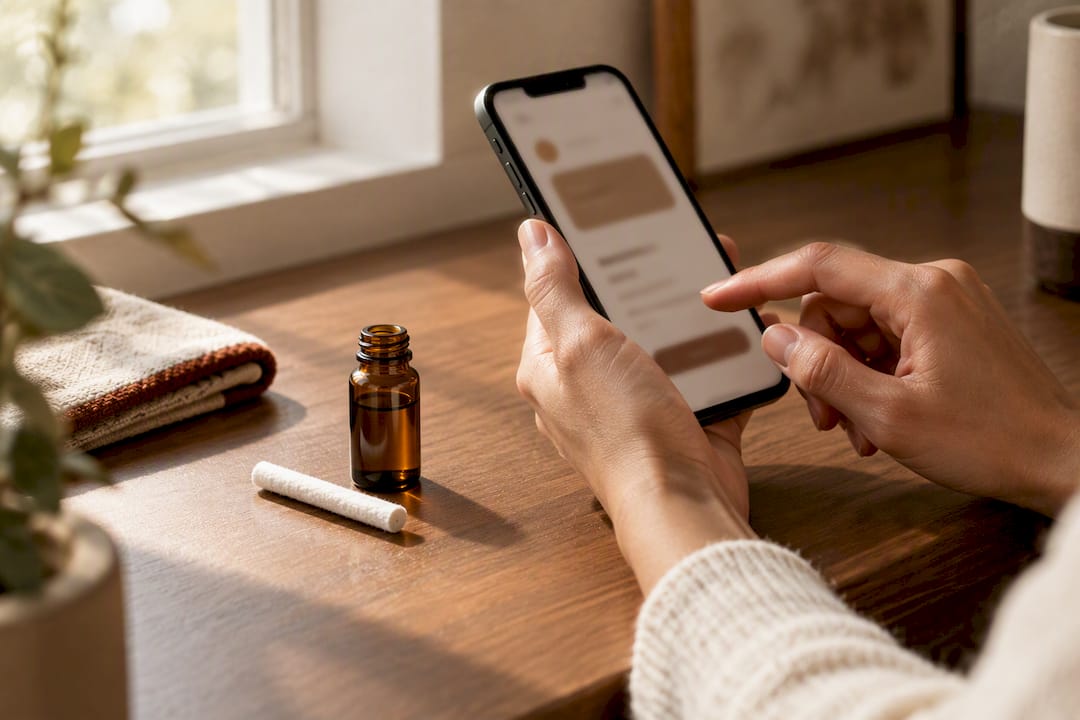
For the actual inhaling step, the technique matters as much as the cleaning. A useful reference for applying oil to a wick and inhaling gently without inserting anything into the nostril lines up with what most safety guidance recommends.
Which Oils Deserve Extra Caution
Not every essential oil behaves the same way once it’s near your airway. Poison Control specifically flags eucalyptus as unsuitable for children under age 2, and peppermint carries similar warnings for throat irritation and breathing difficulty in sensitive users.
- Eucalyptus: avoid entirely for toddlers under 2; watch for throat tightness in adults with lung conditions.
- Peppermint and menthol blends: the cooling sensation can mask real irritation rather than relieve it.
- Camphor: known to trigger coughing and adverse reactions in people with existing respiratory disease.
One detail worth knowing: a strong menthol “cooling rush” doesn’t actually mean your airway is functioning better. It’s a sensory trick, and the American Lung Association notes it can mask genuine irritation rather than resolve it. If you notice a persistent cough, wheeze, chest tightness, or any real difficulty breathing after use, stop immediately and check with a doctor. An aroma inhaler is never a substitute for a prescribed rescue inhaler if you have asthma or COPD.
Start with the fewest drops the instructions call for, not the most. You can always add another drop next time; you can’t undo an overloaded wick.
What “Clean” Should Mean Before You Buy One
| Feature to check | Why it matters |
|---|---|
| Capped, wick-based, non-heated design | Avoids aerosolizing oil, which changes how deeply you’re exposed |
| Replaceable wick | Lets you fully reset scent and hygiene without buying a new device |
| Leak-resistant housing | Prevents oil migration onto skin, fabric, or bags |
| Ingredient list on the label | Confirms exactly what you’re inhaling, per FDA cosmetics disclosure standards |
| Age and pregnancy warnings | Flags oils inappropriate for children or during pregnancy |
Skip anything that heats or aerosolizes oil. That shift changes the exposure pathway entirely, and the American Lung Association’s guidance on vaping essential oils treats heated devices as a materially different, higher-concern category than a simple wick inhaler.
- Buy single-oil refills rather than pre-mixed blends when you’re new to a scent.
- Check the return policy before committing to a multi-pack.
- Follow the manufacturer’s specific cleaning instructions over generic advice, since materials vary.
- Confirm the ingredient disclosure actually lists what’s inside, not just a marketing description.
Our Take on Safety and Product Design
We built our approach around one principle: a device you inhale near your face should never require guesswork about what’s inside it. That’s why we lean on guidance from the American Lung Association and Poison Control rather than marketing copy when we talk about oils and exposure. Most people overestimate how much a “natural” label tells them and underestimate how much wick maintenance actually protects them. Our aromatherapy inhaler safety guide goes deeper into the specific risks worth knowing before daily use.
— Tommy
Try a Clean-by-Design Refill From Breathefree
This inhaler refill follows the checklist outlined in this article: no heating, no aerosolizing, clear ingredient labeling, and a replaceable wick you can swap the moment scent fades or you switch scents.
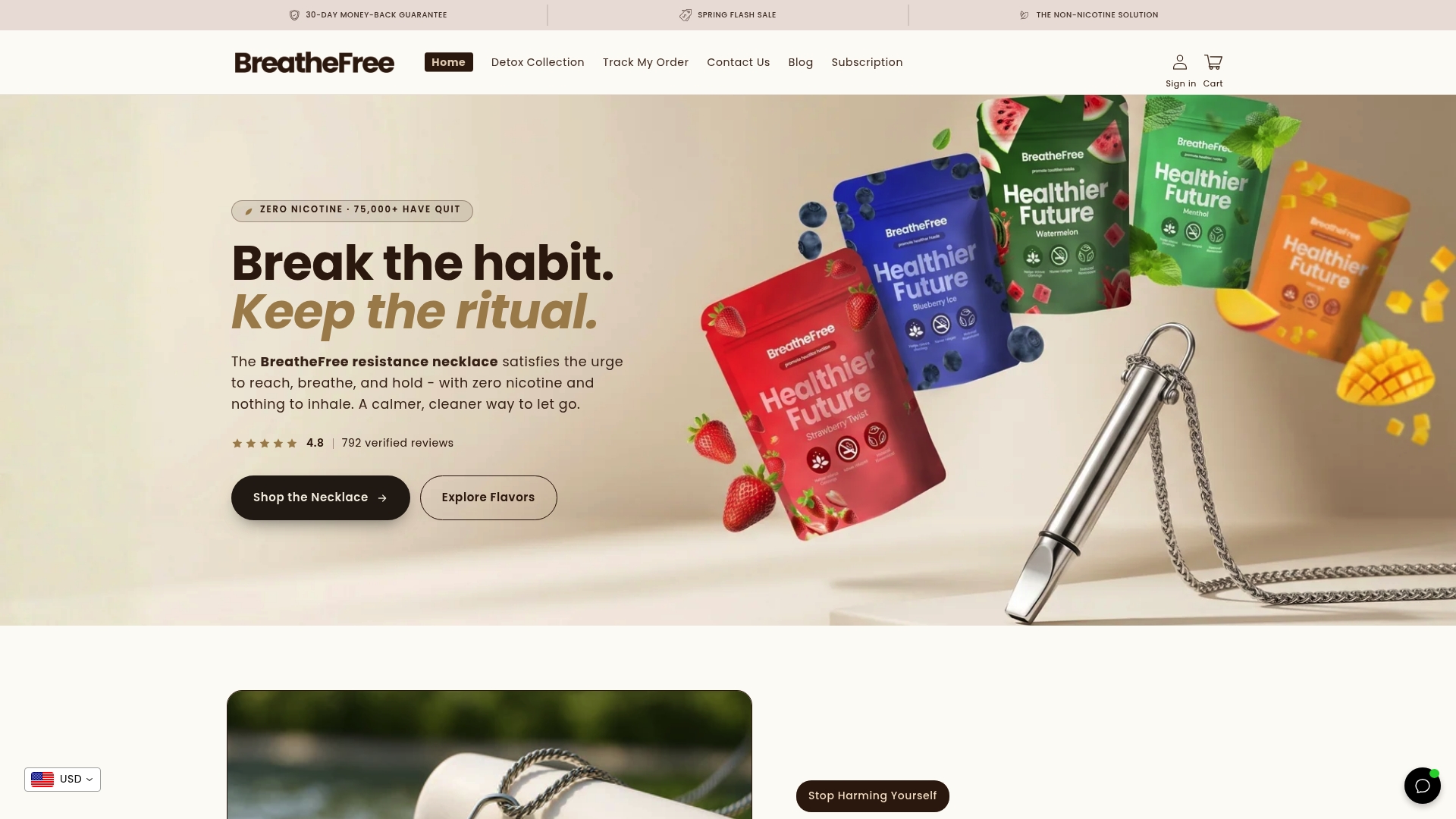
If you’re deciding between competing designs, the simplest test is whether the device requires you to guess what’s inside it. Ours doesn’t. Start with a single flavor refill rather than committing to a multi-pack, and read the product warnings before folding it into a daily routine. Every order also carries Breathefree’s 30-day money-back guarantee, so testing one scent costs you nothing but the trial itself. Browse the full necklace and refill collection to see which scent fits your routine first.
This article is general information, not a substitute for advice from a qualified doctor. Consult a qualified healthcare professional about your own circumstances before acting on anything here.
Sources
- Essential Oils: More Harmful Than Helpful? | American Lung Association
- Eucalyptus Oil | Poison Control
- How Do I Clean My Inhaler, Especially After Getting Sick? | AAFA
- Aromatherapy Inhaler wick refill guidance | Nikura
FAQ
Are Aroma Inhalers Safe to Use Daily?
For most healthy adults, a capped, wick-based inhaler used with a few drops of oil is low risk when cleaned regularly. People with asthma, COPD, or young children in the household should be more cautious, since the American Lung Association notes concentrated oils can irritate sensitive airways.
What Is the Safest Type of Personal Inhaler to Use?
A non-heated, wick-based design with a replaceable wick and leak-resistant housing is generally considered safer than devices that heat or aerosolize oil, since heating changes the exposure pathway. This refill line follows this exact design approach.
Are Oil Diffusers Safe for Your Lungs Compared to a Personal Inhaler?
Diffusers spread scent throughout an entire room, creating continuous ambient exposure, while a capped personal inhaler limits exposure to brief, controlled inhales. Both still deliver concentrated aroma, so the practical safety and dilution advice for essential-oil use applies to either device.
How Often Should I Clean or Replace the Wick in My Inhaler?
Wipe the exterior weekly and replace the wick as soon as scent fades, it looks soiled, or you’re switching oils. Manufacturer estimates for wick life vary from about one month to two or three months, so track your “opened on” date rather than guessing.
Which Essential Oils Should I Avoid in an Inhaler?
Eucalyptus, peppermint, menthol, and camphor all carry specific caution flags, particularly for young children and people with lung disease. Poison Control specifically advises against eucalyptus for children under age 2.