

Track every pouch you use for three days, then act on what the numbers tell you. If you’re using several pouches a day, start a nicotine replacement therapy (NRT) supported taper. If you’re lighter or newer to pouches, pick a quit date and go cold turkey with backup NRT on hand. Either path, paired with an evidence-based program, beats quitting on willpower alone.
TL;DR:
- Heavy users at higher nicotine strengths benefit most from a gradual taper supported by nicotine replacement therapy to increase long-term abstinence chances.
- Tracking pouch use for three days establishes an accurate baseline, which guides tailored reduction pace over four weeks.
- Withdrawal symptoms peak around days 2 to 3 and typically subside within four weeks, but cravings can persist for months triggered by specific habits.
- Behavioral strategies like delay techniques and physical oral substitutes significantly improve success rates by addressing habit loops.
- Professional help, including medication or counseling, should be sought if withdrawal lasts beyond a month or affects mental health significantly.
Table of Contents
- Should You Taper or Quit Zyn Cold Turkey?
- A 4-Week Taper Plan You Can Actually Follow
- What Withdrawal Actually Feels Like, Day by Day
- Craving Tactics That Work Better Than Willpower
- When to Get Professional Help
- Why the Behavioral Piece Gets Ignored, and Shouldn’t
- Start Here: Your First Nicotine-Free Tool
- Sources
Should You Taper or Quit Zyn Cold Turkey?
The honest answer depends less on how badly you want to quit and more on math you can actually measure. Before you pick a lane, look at four things: how many pouches you use daily, what strength they are (3mg, 6mg, or 9mg), whether you’ve tried quitting before, and how you personally handle intense short-term discomfort.
People using a higher number of pouches a day, especially at higher strengths, tend to hit harder withdrawal if they stop outright. A structured step-down gives your brain’s nicotine receptors time to adjust instead of slamming the door shut. Lighter users often do fine going cold turkey, particularly if they’ve never quit before and don’t have a history of failed attempts.
Here’s what actually separates the two approaches:
- Taper: Slower, more forgiving on daily function, but requires more tracking and discipline over several weeks.
- Cold turkey: Faster resolution of the physical dependence, but the first 72 hours hit harder and derail more attempts.
- Past quit history: If you’ve relapsed after cold turkey before, a taper with NRT backup changes the odds in your favor.
- Tolerance for discomfort: Some people would rather have one brutal week than four uneven ones. Neither is wrong.
Clinical guidance leans toward combination NRT and structured tapering for heavier users because it produces better long-term abstinence rates than an unplanned cut. That doesn’t mean cold turkey is inferior for everyone. It means it’s the wrong tool for someone with a heavy daily habit.
A 4-Week Taper Plan You Can Actually Follow
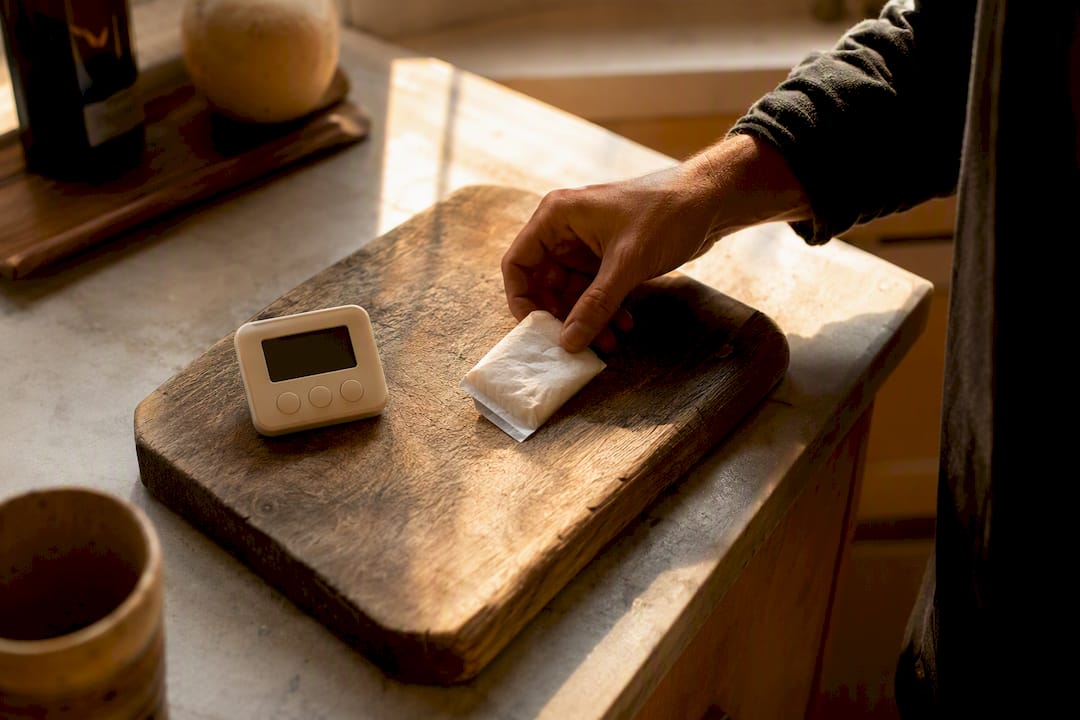
Before you touch your pouch count, spend three days establishing a real baseline. Track every pouch: the time you put it in, how long you kept it, and its strength. Most people underestimate their count until they write it down. This baseline is what you’ll cut against, not a guess.
Week 1: Hold steady, cut timing. Keep your total count the same but eliminate the two most automatic uses of the day, usually the first-thing-in-the-morning pouch and the one you use out of boredom, not craving.
Week 2: Cut count by a modest percentage. If your baseline was a dozen pouches a day at moderate strength, drop gradually. This is where a nicotine patch helps most. Start with a 21mg patch if you’re a heavier user, 14mg if you’re moderate, and layer in a 2mg or 4mg lozenge for breakthrough cravings.
Week 3: Cut another 25 percent and drop strength. Move from 6mg to 3mg pouches if you haven’t already, per Truth Initiative’s guidance on easing off higher concentrations. Step your patch down to 14mg.
Week 4: Final taper to zero or near-zero. Use lozenges only for genuine cravings, not habit. Step down the patch dose or drop it entirely depending on how you feel.
If you’re using a particularly high number of pouches a day, don’t compress this timeline. Extend the taper period to suit your needs. There’s no penalty for going slower, and community-tested 4-week taper plans consistently show that changing one variable at a time (count, then strength) reduces relapse compared to cutting both at once.
Your weekly checklist:
- Log every pouch (time, strength, trigger) for the full week.
- Compare your count against last week’s target.
- Adjust NRT dose if cravings spike past what a lozenge handles.
- Note your mood and sleep quality daily.
- Reset your target for the following week based on what actually happened, not what you hoped would happen.
Pro Tip: Don’t wait for a “perfect” Monday to start. Begin your 3-day baseline tracking today, even mid-week. The data matters more than the calendar date.
What Withdrawal Actually Feels Like, Day by Day
Nicotine withdrawal starts fast. Most people feel the first pull within a few hours of their last pouch, well before any physical symptoms show up. That’s the psychological hook working before the chemical one even fades.
The physical peak lands around days 2 to 3, when your body has cleared most of the nicotine and your brain is loudest about wanting more. If you’re tapering rather than quitting outright, expect a second, smaller wave around days 16 to 19, often called the mid-taper hump, when your body registers the cumulative reduction rather than a single hit.
Common symptoms during this window include:
- Intense, short-lived cravings that peak and fade in 3 to 5 minutes
- Irritability and a shorter fuse than usual
- Anxiety or a restless, wired feeling
- Headaches and disrupted sleep
- Increased appetite and mild constipation
- A strange sensitivity in your mouth, where you keep reaching for something that isn’t there
The worst of it, both physically and mentally, typically resolves within 2 to 4 weeks, though occasional cravings can surface for months afterward, usually tied to specific triggers rather than general discomfort. That’s normal. It doesn’t mean the quit failed. For a fuller breakdown of what’s happening physically week by week, this walkthrough of withdrawal symptoms covers the timeline in more depth.
Craving Tactics That Work Better Than Willpower
Cravings are short. That’s the part most people forget mid-craving. The 4Ds method works because it outlasts the urge rather than fighting it: delay ten minutes before deciding whether you still want a pouch, drink water or something cold, deep breathe for a slow count of four in and six out, and do something with your hands that isn’t reaching for nicotine.

Oral substitutes matter here as much as the breathing does. Gum, toothpicks, sunflower seeds, and nicotine-free pouches all give your mouth something to do while your brain recalibrates. A resistance necklace works on the same principle: it gives you a physical object to hold and pull against during a craving, without introducing any nicotine back into the loop.
A few behavioral fixes make a bigger difference than most people expect:
- Change the routine tied to your habit. If you pouch during your commute, swap the route or the podcast.
- Identify your top three high-risk windows (morning coffee, driving, after meals) and plan a specific substitute for each before the craving hits, not during it.
- Tell one person you’re quitting and check in with them daily. Accountability outperforms private resolve almost every time.
- Try a mini-quit: 48 hours nicotine-free as practice before your real quit date.
For breakthrough cravings during a taper, a 2mg or 4mg lozenge dissolved slowly works faster than gum for most people. Keep total daily NRT within your clinician’s guidance, and never overlap a patch with more than occasional lozenge use without checking the combined dose.
When to Get Professional Help
Most withdrawal is uncomfortable and manageable, not dangerous. But a few signs mean it’s time to call in backup rather than push through alone: symptoms lasting well beyond the typical 2 to 4 week window, an inability to function at work or home, or any thoughts of self-harm or deep depression that weren’t there before you quit.
A doctor may prescribe bupropion or varenicline for people who don’t respond well to NRT alone or who have a history of relapse. These require a clinician’s evaluation, not a self-diagnosis.
Free resources exist and they work:
- EX Program (Truth Initiative and Mayo Clinic) offers structured, text-based coaching.
- 1-800-QUIT-NOW connects you to a state quitline with a real coach, not a recording.
- Local health departments often run free cessation classes you can join same-week.
Why the Behavioral Piece Gets Ignored, and Shouldn’t
Most quitting advice treats nicotine withdrawal as purely chemical, something a patch or lozenge fully solves. It doesn’t. The habit loop, reaching for something, holding something, having a small ritual between tasks, survives long after the nicotine is gone. Breathefree built the resistance necklace around that gap specifically: something to hold, press against, and use as a physical cue break, with zero nicotine involved.
Pairing it with the 4-week taper above works because it replaces the hand-to-mouth ritual while the NRT handles the chemical side. Used with a habit tracker, it gives you a physical record of exactly when your urges spike, which turns guesswork into a plan you can adjust weekly instead of a fight you’re having blind.
— Tommy
Start Here: Your First Nicotine-Free Tool
If cravings hit hardest as a physical urge, something to hold and press against, start with the Breathing Resistance Necklace. It’s built for the exact moment a pouch craving spikes, giving your hands and mouth something to do that isn’t reaching for nicotine.

If you’re more of a numbers person and want to see your baseline and progress laid out week by week, the Nicotine Detox eBook & Habit Tracker pairs directly with the 4-week taper outlined above. Expect the first two weeks to feel like the hardest adjustment, both products are designed to bridge exactly that window, not replace your NRT, but give your hands and habits somewhere to land while your body does the harder chemical work. Pick whichever matches your bigger struggle right now, physical ritual or tracking discipline, and start today rather than waiting for the “right” week to begin.
This article is general information, not a substitute for advice from a qualified doctor. Consult a qualified healthcare professional about your own circumstances before acting on anything here.
Sources
- What to know about quitting Zyn
- Treating Tobacco Use and Dependence: Clinical Practice Guideline (NASEM/NIH summary content)
- Nicotine withdrawal fact sheet
- How to Quit Zyn: A 4-Week Tapering Plan That Actually Works (2026) | Nicozon