

Quitter’s flu, also called smoker’s flu, is a cluster of flu-like withdrawal symptoms that shows up when you cut off your nicotine supply. It’s not a real virus. Most people feel worst in the first week, with cough, congestion, fatigue, and irritability peaking early on, and things generally ease up within a few weeks. Many people who quit experience some version of it, and it passes.
TL;DR:
- Coughing may worsen in the initial weeks due to airway healing, not damage, as cilia regain function to clear mucus and debris from lungs.
- Constipation peaks around two weeks after quitting, affecting about one in six people, due to the slowdown in gut motility after nicotine withdrawal.
- Most withdrawal symptoms, including fatigue and mood swings, typically improve within two to four weeks, but lingering coughs and cravings can last longer without indication of problems.
- Support tools like nicotine replacement therapy or physical habit substitutes can significantly reduce withdrawal severity and relapse risk, especially when combined with self-care strategies.
- Severe symptoms such as fever, blood in mucus, or intense abdominal pain require medical attention, as they are signs of infection or other complications beyond typical withdrawal.
Table of Contents
- What Causes Quitter’s Flu After You Quit Smoking?
- What Are the Symptoms of Quitter’s Flu?
- How Long Does Quitter’s Flu Last?
- Why Does Coughing Get Worse After You Quit Smoking?
- Why Am I Constipated After Quitting Smoking?
- How Do You Manage Quitter’s Flu Symptoms?
- When Should You See a Doctor for Quitter’s Flu?
- Does Your Quitting Method Change How Bad Quitter’s Flu Gets?
- What Does the Research Say About Non-Nicotine Support Tools?
- How Do You Cope Emotionally While Quitting Smoking?
- Does Quitting Smoking Affect Your Sleep?
- Why Is Enduring Quitter’s Flu Worth It?
- What Myths About Quitter’s Flu Should You Ignore?
- Getting Through the Hardest Week
- Tools That Help You Get Through Withdrawal
- Sources
- FAQ
What Causes Quitter’s Flu After You Quit Smoking?
Nicotine hijacks your brain’s dopamine and acetylcholine systems, and it also revs up your parasympathetic nervous system, the network that controls digestion, heart rate, and mucus production. Pull nicotine out suddenly, and those systems don’t just go quiet. They swing the other way while your body recalibrates.
That swing is why you get two overlapping things happening at once. First, true withdrawal: your brain chemistry is adjusting to run without a substance it had built a dependency on, which produces the anxiety, irritability, and craving side of quitter’s flu. Second, actual physical recovery: your lungs, gut, and circulatory system start repairing tissue that nicotine had been suppressing or altering, and that repair process itself creates symptoms.
- Slowed heart rate and blood pressure drop as your cardiovascular system stops running on a stimulant.
- Increased mucus production as airway tissue that nicotine had dried out starts producing normally again.
- Digestive slowdown as the gut motility nicotine artificially sped up returns to baseline.
- Sleep architecture changes as your brain resets its normal rest cycles.
One useful distinction: quitter’s flu doesn’t come with a fever. If you’re running a temperature, that points to an actual infection, not withdrawal, and it’s worth treating separately. The CDC’s breakdown of common withdrawal symptoms confirms that most of these symptoms last anywhere from about a week to a month, with intensity front-loaded early on.
What Are the Symptoms of Quitter’s Flu?
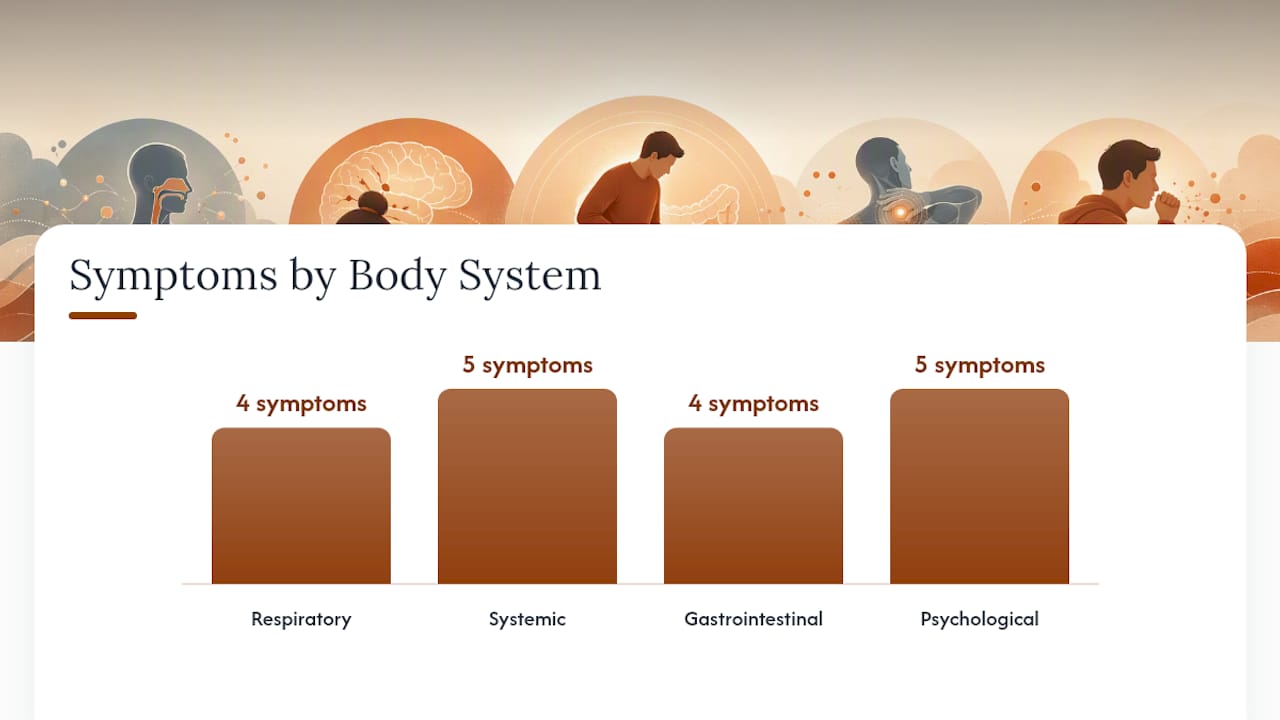
Quitter’s flu touches four systems at once, which is part of why it feels so disorienting. You’re not just tired. You’re tired, congested, gassy, and short-tempered, all in the same 48 hours.
Respiratory symptoms include a nagging cough, sore throat, postnasal drip, and sometimes a tight feeling in the chest. Systemic symptoms cover fatigue, headaches, general body aches, sneezing, and a runny nose. Gastrointestinal symptoms show up as constipation, mild nausea, bloating, and either a spike or drop in appetite. Psychological symptoms are usually the hardest to manage: irritability, anxiety, mood swings, disrupted sleep, and cravings that hit in waves rather than a steady pull.
- Cough, sore throat, and chest tightness (respiratory)
- Fatigue, headache, body aches, sneezing (systemic)
- Constipation, nausea, bloating, appetite shifts (gastrointestinal)
- Irritability, anxiety, mood swings, insomnia, cravings (psychological)
Quick fact: the CDC groups these into seven core withdrawal symptoms, and nearly every person who quits experiences at least a few of them within days of their last cigarette.
A few red flags separate ordinary withdrawal from something that needs medical attention: fever, coughing up blood, chest pain that doesn’t ease, or abdominal pain severe enough to stop you from eating normally. None of those are typical withdrawal, and they deserve a call to your doctor rather than a wait-and-see approach.
How Long Does Quitter’s Flu Last?
Symptoms usually start within a few hours of your last cigarette and build over the first two to three days, since that’s roughly how long nicotine takes to clear your bloodstream. The first week is the roughest stretch for most people, especially days one through three, when cravings and irritability tend to spike hardest.
Different symptoms follow different clocks, though, and that’s where a lot of quitters get discouraged. Constipation, for instance, often builds gradually and tends to peak around the two week mark rather than day one. Cough can actually get worse before it gets better, sometimes lingering for weeks and occasionally months, because it’s tied to a slower repair process in your airways.
- Days 1 to 3: peak cravings, irritability, and headache
- Days 3 to 7: congestion and cough often worsen as airways clear
- Week 2: constipation frequently peaks
- Weeks 2 to 4: most systemic and mood symptoms fade substantially
By the one month mark, the majority of quitters report the bulk of symptoms have resolved, according to the CDC’s withdrawal timeline data. A lingering cough or occasional craving beyond that point is common and doesn’t mean something’s wrong.
Why Does Coughing Get Worse After You Quit Smoking?
This one catches almost everyone off guard. You quit smoking expecting your lungs to feel better immediately, and instead you’re coughing more than you did as a smoker. Here’s what’s actually happening: cigarette smoke paralyzes the tiny hair-like structures in your airways called cilia, which normally sweep mucus and debris up and out of your lungs. Once you stop smoking, those cilia start waking back up and doing their job again, and that means clearing out years of accumulated gunk.
The Mayo Clinic explains that this uptick in coughing is a sign of healing, not a setback, and it typically eases within a few weeks, though it can stretch to a few months in longer-term smokers whose airways have more repair work to do.
- Drink more water than usual to thin mucus and make it easier to clear.
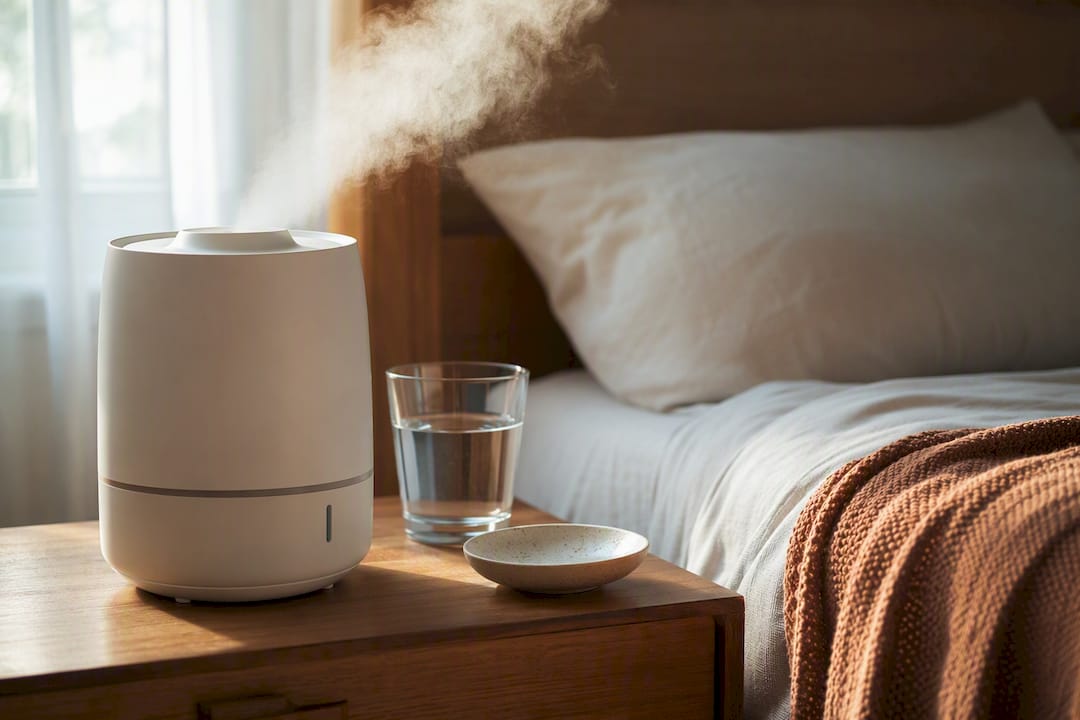
- Run a humidifier at night, especially in dry climates or winter months.
- Try an OTC expectorant like guaifenesin to loosen mucus rather than suppress the cough.
- Sip warm tea with honey to soothe throat irritation from frequent coughing.
Avoid reaching for a cough suppressant if the cough is productive, meaning you’re actually clearing mucus. Suppressing that process can work against the healing your lungs are trying to do.
Pro Tip: Keep a small humidifier running near your bed for the first two to three weeks after quitting. Dry air makes cilia work harder to clear mucus, and that extra friction is often what turns a mild cough into an annoying one that keeps you up at night.
Why Am I Constipated After Quitting Smoking?
Nicotine speeds up bowel motility, meaning it makes your gut move things along faster than it naturally would. Pull nicotine out of the equation, and your digestive system slows back down to its baseline pace, which for a lot of people means noticeably less frequent, harder stools.
This isn’t a minor side effect. A clinical study on constipation following smoking cessation found that roughly one in six people who quit smoking experience constipation, with symptoms commonly peaking around the two week mark. For some, it’s severe enough to need actual treatment rather than just riding it out.
- Increase water intake to at least eight glasses a day, more if you’re active.
- Add fiber gradually through foods like oats, beans, and leafy greens, or a fiber supplement if diet alone isn’t cutting it.
- Move your body daily. Even a 20 minute walk stimulates gut motility.
- Try an OTC stool softener if dietary changes aren’t enough after a few days.
See a doctor if constipation lasts more than a week despite these steps, or if it comes with severe pain, bloating, or no bowel movement at all for several days. That’s beyond what self-care should have to handle.
How Do You Manage Quitter’s Flu Symptoms?
Treating quitter’s flu treatment as a layered approach works better than hoping one fix solves everything. Start with the basics, add targeted relief where you need it, and know when a bigger tool like NRT or a prescription medication makes sense.
- Rest and hydrate first. Your body is doing real repair work, and sleep plus water are the two cheapest, most effective tools you have. Aim for consistent sleep and steady fluid intake rather than catching up on either after the fact.
- Add gentle movement. A short daily walk helps with mood, digestion, and sleep quality all at once, and it gives cravings something to compete with.
- Use targeted OTC relief. Guaifenesin handles mucus, acetaminophen or NSAIDs handle body aches and headaches. Skip cough suppressants if your cough is actively clearing mucus, since that’s the healing process working as intended.
- Consider nicotine replacement therapy (NRT). Patches, gum, and lozenges deliver controlled nicotine doses that blunt withdrawal severity without the combustion. Patches can cause skin irritation or vivid dreams for some people, gum can irritate the jaw with overuse, and switching formats is common if one doesn’t agree with you.
- Ask your doctor about prescription options. Varenicline and bupropion are prescription medications that reduce cravings and withdrawal intensity through different mechanisms, and a clinician can help you decide if either fits your situation.
- Give your hands and mouth something to do. Oral fixation, the physical habit of having something in your hands or mouth, drives a surprising amount of relapse risk. A fidget tool or a nicotine-free hand-to-mouth substitute can take the edge off that specific urge while you handle the chemical side of withdrawal separately.
Pro Tip: Stack your remedies by symptom instead of trying one big fix. Guaifenesin for the cough, a humidifier for your throat, a short walk for your mood, and a physical substitute for the oral habit each solve a different piece of the puzzle.
Research on managing withdrawal symptoms backs this layered approach, noting that most people see meaningful improvement within three to four weeks when they combine hydration, rest, and appropriate OTC or NRT support rather than white-knuckling through it.
When Should You See a Doctor for Quitter’s Flu?
Most quitter’s flu resolves with self-care, but certain signs mean it’s time to call a clinician rather than wait it out.
- Fever, which points to infection rather than withdrawal.
- Blood in mucus or stool.
- Severe abdominal pain or persistent vomiting.
- Shortness of breath that’s getting worse instead of better.
- Constipation lasting more than a week despite dietary changes.
A doctor visit for withdrawal symptoms usually involves a physical exam, a review of your symptom timeline, and a conversation about whether NRT or a prescription medication would help. Bring a simple symptom diary if you can: when symptoms started, what’s improved, what you’ve already tried. That single piece of prep often shortens the visit and gets you a more specific plan.
Does Your Quitting Method Change How Bad Quitter’s Flu Gets?
How you quit shapes how rough the ride is. Cold turkey means an abrupt nicotine drop and typically the sharpest, most concentrated withdrawal symptoms, but some research suggests it can also lead to higher long-term quit rates for people who make it through that initial stretch.
Gradual tapering or using NRT spreads the nicotine decline out, which usually means milder day-to-day symptoms. The tradeoff is a different relapse risk profile, since a longer runway gives more opportunities to second-guess the decision.
- Cold turkey: intense but short withdrawal window, potentially higher long-term success for those who push through.
- Tapering: gentler symptoms, but a longer exposure window to cravings.
- NRT (patch, gum, lozenge): meaningfully reduces symptom severity; patches specifically can cause skin irritation or sleep disturbance for some people.
- Prescription medication: an option worth discussing with a clinician if either approach above isn’t enough on its own.
There’s no universally right answer here. Weigh short-term comfort against your personal history with relapse, and don’t be afraid to switch strategies if one isn’t working.
What Does the Research Say About Non-Nicotine Support Tools?
Oral fixation, the habit of having a cigarette in hand or mouth, is one of the most underrated drivers of both cravings and relapse. It’s not just chemical dependency pulling you back. It’s the physical ritual your hands and mouth got used to repeating dozens of times a day for years.
That’s the gap Breathefree’s resistance necklace is built to fill. It gives your hands and mouth something to do that isn’t a cigarette, without introducing any nicotine at all. The necklace is designed to provide a physical habit substitute alongside educational guides and community support for the emotional side of withdrawal.
None of this replaces medical care. If you’re managing significant withdrawal symptoms, NRT, prescription medication, and a doctor’s guidance are still your primary tools. A physical, nicotine-free substitute is an adjunct, something that handles the ritual and habit piece while the clinical side handles the chemistry.
How Do You Cope Emotionally While Quitting Smoking?
The mood swings that come with quitter’s flu catch people off guard because nobody warns you how much smoking was doing double duty as an emotional regulator. You weren’t just managing nicotine dependency. You were managing stress, boredom, and anxiety with the same tool, and now that tool is gone.
Mind-body practices help fill that gap more than most people expect, as explained in mindfulness for anxiety techniques that aid stress reduction during withdrawal. Deep breathing exercises, short sessions of gentle yoga, and progressive muscle relaxation give your nervous system something concrete to do with the excess tension withdrawal creates. These techniques pair well behind managing cravings, since a craving is often just anxiety wearing a familiar disguise.
Talking to someone matters too, whether that’s a friend who’s quit before, a support group, or a quitline counselor. Isolation tends to make irritability and low mood worse, while even a five minute conversation about how rough today is can take real pressure off. If anxiety feels disproportionate to what you’d expect from withdrawal, or if low mood persists well past the two to four week window, it’s worth mentioning to a doctor rather than assuming it will resolve on its own.
The emotional side of quitting deserves the same patience as the physical side. You wouldn’t expect a sprained ankle to heal in a day. Give your mood the same grace.
Does Quitting Smoking Affect Your Sleep?
Withdrawal disrupts sleep in ways that surprise a lot of new quitters. Nicotine actually has stimulant properties, so removing it should theoretically make sleep easier, but the anxiety, cravings, and physical restlessness of early withdrawal often do the opposite in the first couple of weeks.
Some people report vivid or unusual dreams during withdrawal, particularly if they’re using a nicotine patch overnight, since a steady dose of nicotine while sleeping can affect dream intensity. Others find themselves waking up more often simply because their body is adjusting to functioning without a substance it had built a routine around for years.
A few adjustments make a real difference. Keep a consistent bedtime and wake time even when sleep feels broken, since irregular schedules tend to make withdrawal-related insomnia worse. Cut caffeine intake in the afternoon and evening, since withdrawal already leaves your nervous system more reactive to stimulants. If you’re using a nicotine patch and struggling with sleep, ask your doctor or pharmacist about removing it before bed rather than wearing it overnight.
Avoid screens for the last 30 minutes before bed, and if racing thoughts about cravings keep you up, try writing them down instead of lying there cycling through them. Sleep quality generally improves alongside everything else, usually within that same two to four week recovery window most other symptoms follow.
Why Is Enduring Quitter’s Flu Worth It?
The discomfort of quitter’s flu is temporary. The benefits of staying smoke-free compound for years, and that math is worth keeping in view when day four feels endless.
Research on smoking cessation and mental health has found that people who stay smoke-free for several months often report lower anxiety and depression than they did while smoking, despite the short-term mood symptoms withdrawal causes. That’s a striking finding, because it contradicts the common assumption that smoking was actually helping mental health. The connection between quitting and mental well-being suggests the opposite: the anxiety relief smoking seemed to offer was mostly relief from nicotine withdrawal itself, a cycle that only ends once you’re fully off it.
Beyond mood, the physical payoff builds steadily. Circulation improves, lung function climbs as cilia keep clearing debris, and the respiratory symptoms that felt so unfair in week one become evidence that your body is actively repairing itself. None of the discomfort you’re feeling right now is wasted. It’s the visible cost of a repair process that was overdue the moment you lit your first cigarette.
What Myths About Quitter’s Flu Should You Ignore?
A lot of bad information circulates around withdrawal, and some of it actively discourages people from sticking with a quit attempt.
Myth: Quitter’s flu means something is wrong with you. Reality: it’s your body readjusting its chemistry and repairing tissue. Feeling worse before feeling better is the expected pattern, not a sign of failure.
Myth: If you’re coughing more, quitting made your lungs worse. Reality: the increase in coughing reflects cilia recovery, a sign of healing rather than harm.
Myth: Constipation isn’t a real withdrawal symptom, just a coincidence. Reality: it’s a documented, common effect tied directly to how nicotine had been speeding up bowel motility, and roughly one in six quitters experience it.
Myth: You just need willpower to push through, tools are a crutch. Reality: NRT, prescription medication, and physical habit substitutes all measurably reduce relapse risk. Using support isn’t weakness, it’s strategy.
Myth: If withdrawal symptoms last more than a week, something’s wrong. Reality: most symptoms fade in the two to four week range, but cough and occasional cravings can reasonably stretch longer without signaling a problem.
Getting Through the Hardest Week
Quitting is genuinely hard, and quitter’s flu can make you question whether you made the right call somewhere around day three. It hasn’t gotten easier for anyone who’s ever done it. It’s temporary, and the physical symptoms making you miserable right now are proof your body is actively healing.
The people who make it through tend to combine a few things: practical self-care, honest conversations with a doctor when something feels off, and support from people who understand what withdrawal actually feels like. That last piece matters more than most quit-smoking advice admits. You don’t have to white-knuckle this alone, and resources like Breathefree’s support community exist specifically because peer support changes outcomes.
— Tommy
Tools That Help You Get Through Withdrawal
If the oral fixation piece of quitting is hitting you harder than expected, that’s not a personal failing. It’s a physical habit your hands and mouth repeated thousands of times, and it doesn’t disappear just because the nicotine did. That’s exactly the gap the Breathefree resistance necklace is designed to fill: something to hold, fidget with, and bring to your mouth that carries zero nicotine.

Pair it with the Nicotine Detox eBook & Habit Tracker if you want a structured way to track symptoms day by day and see your progress in writing rather than just feeling your way through it. Neither product replaces NRT or a doctor’s guidance if you need that level of support, but for the habit and ritual side of quitting, a physical substitute plus a tracking tool covers ground medication alone doesn’t touch. Check out the core resistance necklace and see which format fits your daily routine.
This article is general information, not a substitute for advice from a qualified doctor. Consult a qualified healthcare professional about your own circumstances before acting on anything here.
Sources
- CDC: 7 common withdrawal symptoms
- Mayo Clinic: Coughing more after quitting smoking
- Study on constipation following smoking cessation (PubMed)
- Health
FAQ
How Long Does Quitter’s Flu Usually Last?
Most symptoms peak in the first week and improve significantly within two to four weeks, though the CDC notes the full range runs from about one week to one month.
When Does Quitter’s Flu Peak?
The worst overall symptoms typically hit days one through three, though constipation often peaks separately around week two and cough can build for several weeks as your airways clear.
What Happens to My Body Two Weeks After Quitting Smoking?
By two weeks, circulation and lung function are noticeably improving, though this is also when constipation commonly peaks for the roughly one in six quitters affected by it, and cough may still be active as cilia recovery continues.
Is Constipation a Real Symptom of Quitting Smoking?
Yes. Nicotine speeds up bowel motility, and removing it slows digestion for many people, a pattern confirmed in clinical research on cessation-related constipation.
Can Non-Nicotine Tools Like a Resistance Necklace Help With Quitter’s Flu?
They can help with the oral fixation and habit side of withdrawal specifically, giving your hands and mouth a nicotine-free substitute, though they work best alongside self-care and, if needed, medical support rather than as a standalone fix.