

Inhalation harm is defined as the process by which toxic particles and chemicals enter deep lung structures, triggering inflammation and dismantling the body’s respiratory defenses. Every time you breathe in smoke, vaping aerosols, or fine particulate pollution, those substances travel past your nose and throat and reach tissue that was never built to handle them. The EPA, MedlinePlus, and recent research on Δ8-THCQ all confirm the same core finding: the lungs are vulnerable, and repeated exposure compounds that vulnerability fast. Understanding why inhalation harms lungs is the first step toward making choices that protect your long-term respiratory health.
Why inhalation harms lungs at the biological level
The lungs rely on a defense system called the mucociliary escalator. This system uses millions of tiny hair-like structures called motile cilia to sweep trapped particles upward and out of the airway before they cause damage. When you inhale harmful substances, that system faces an immediate challenge it was not designed to handle at scale.
Toxic particles that slip past the upper airway penetrate deep into the bronchioles and alveoli. Once there, they activate the immune system. Macrophages, the lung’s cleanup cells, rush to engulf the particles. When particle loads are too high, macrophage clearance fails, and particles remain in lung tissue for weeks or longer, driving continuous inflammation.
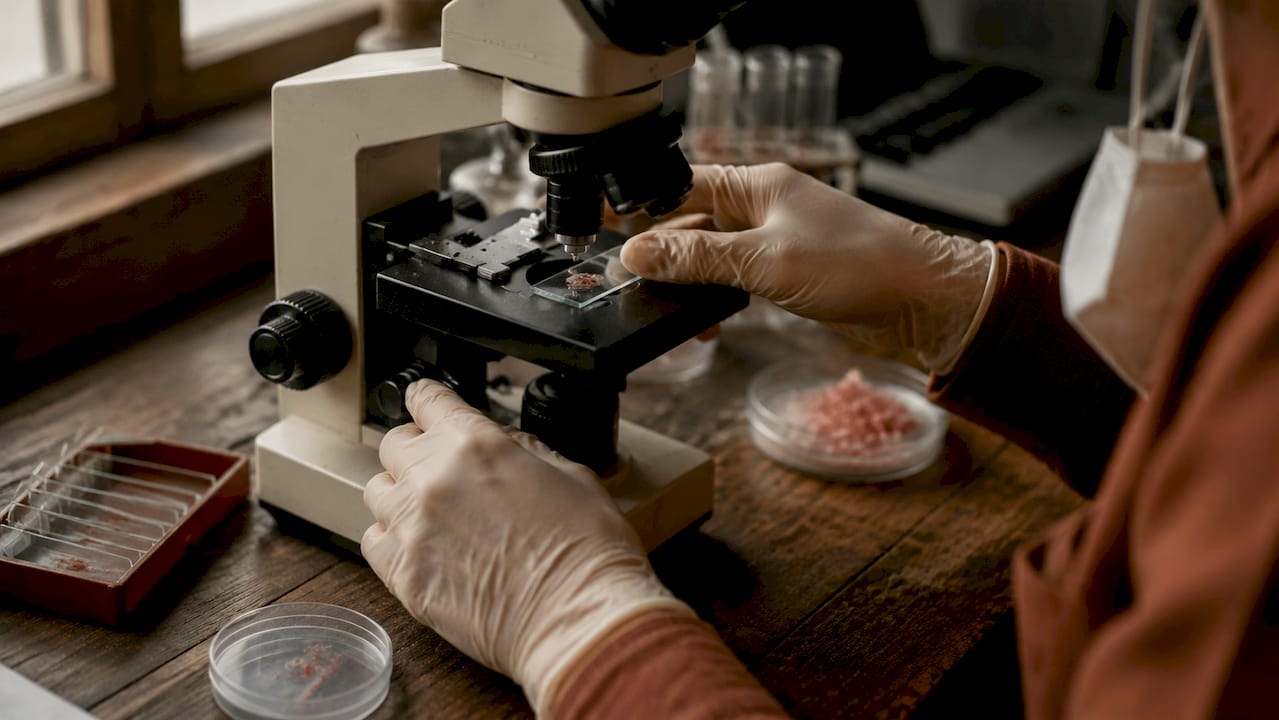
That chronic inflammation is the real engine of lung damage. It generates oxidative stress, which damages cell membranes and DNA. Over time, the tissue remodels itself, becoming stiffer and less efficient at exchanging oxygen. This is the biological pathway behind diseases like COPD, pulmonary fibrosis, and lung cancer.
Chemical irritants add another layer of injury. Substances like formaldehyde in cigarette smoke and acrolein in vaping aerosols directly burn airway epithelial cells. Thermal injury from hot smoke or vapor compounds that chemical damage. The result is a two-front assault: chemical toxicity plus heat stress, both hitting tissue that cannot easily regenerate.
Key biological damage mechanisms include:
- Cilia paralysis: Toxins slow or stop cilia movement, trapping particles against lung tissue
- Oxidative stress: Free radicals generated by inhaled chemicals damage cell structures
- Immune overactivation: Persistent macrophage activity causes collateral tissue injury
- Epithelial barrier breakdown: Chemical burns weaken the lining that separates the airway from the bloodstream
Pro Tip: Staying well hydrated supports mucociliary clearance. Water keeps the mucus layer thin enough for cilia to move it efficiently, which helps your lungs remove trapped particles faster.
Which inhaled substances cause the most lung damage?
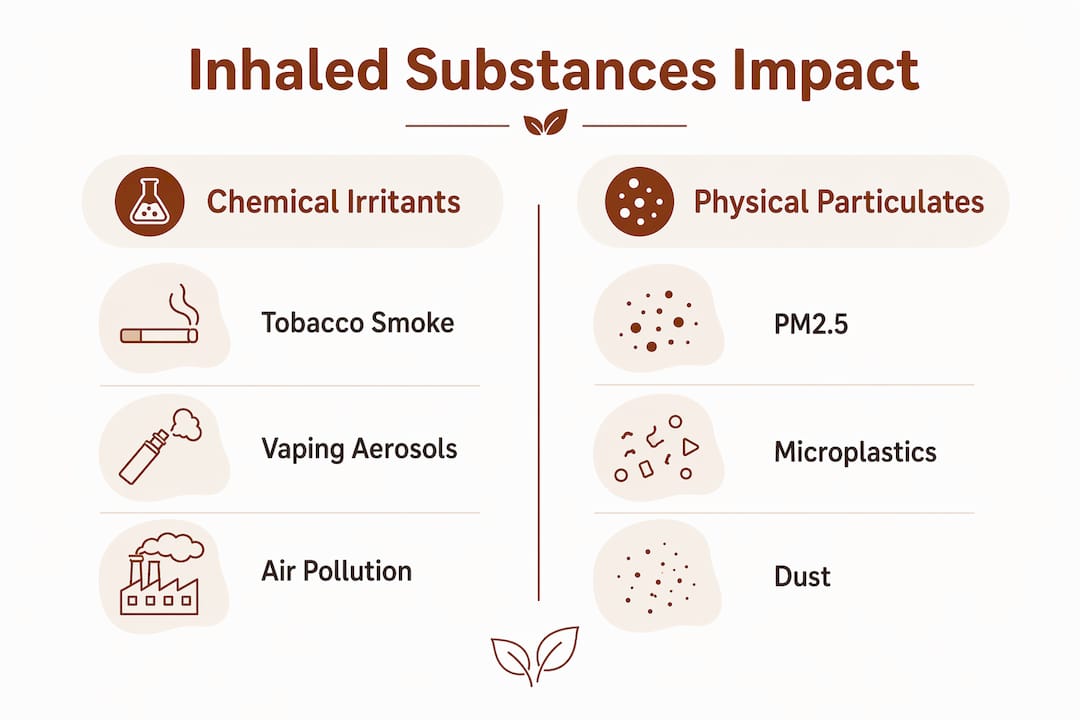
Not all inhalants damage the lungs the same way. Tobacco smoke, vaping aerosols, air pollution particulates, and microplastics each attack through different mechanisms and at different speeds.
Tobacco smoke
Tobacco smoke contains more than 7,000 chemicals, including at least 70 known carcinogens. It causes direct chemical burns, triggers fibrosis, and is the leading cause of COPD and lung cancer in the United States. The damage is both acute and cumulative. Each cigarette adds to a total burden the lungs struggle to clear.
Vaping aerosols
Vaping is widely misunderstood as a safe alternative. Research shows that Δ8-THCQ rose 3.67-fold in disposable vapes, activating stress-response and inflammatory genes within minutes of exposure. That byproduct, Δ8-THCQ, reaches millimolar concentrations and directly impairs motile cilia function. Vaping aerosols also trigger systemic oxidative stress that extends beyond the lungs to cardiovascular and neurological systems. If you want to understand vaping’s addictive pull compared to smoking, the lung damage picture is only part of the story.
Air pollution particulates
Fine particulate matter, known as PM2.5, is particles smaller than 2.5 micrometers. They are small enough to bypass the nose and throat entirely and lodge in the alveoli. A 39% decrease in PM2.5 nationally between 1990 and 2010 produced a 54% reduction in COPD and lung cancer deaths. That single statistic shows how directly air quality drives lung disease rates.
Microplastics
Microplastics are an emerging threat. Inhaled microplastics bind pollutants and pathogens, then carry them deep into lung tissue. They cause direct irritation and chemical reactions that damage cells. Research links microplastic inhalation to increased risk of asthma, COPD, fibrosis, and lung cancer.
| Inhalant | Primary damage mechanism | Onset of harm |
|---|---|---|
| Tobacco smoke | Chemical burns, carcinogens, fibrosis | Acute and chronic |
| Vaping aerosols | Cilia impairment, Δ8-THCQ inflammation | Minutes to chronic |
| PM2.5 pollution | Deep penetration, oxidative stress | Chronic accumulation |
| Microplastics | Toxin delivery, tissue irritation | Chronic accumulation |
What are the short-term and long-term effects on lung health?
The effects of inhalation on lungs range from immediate discomfort to life-altering disease. Recognizing both ends of that spectrum matters for anyone assessing their own risk.
Short-term symptoms appear quickly after exposure to high concentrations of harmful substances:
- Coughing and wheezing: The airway tries to expel irritants through reflex coughing
- Chest tightness: Inflammation narrows airways and reduces airflow
- Shortness of breath: Damaged alveoli exchange less oxygen per breath
- Chemical pneumonitis: Direct chemical injury to lung tissue causes fluid buildup and acute respiratory distress
Over 50% of fire-related deaths result from inhalation injuries rather than burns. That figure reframes how seriously acute inhalation events should be treated.
Long-term, the picture is more severe. Chronic exposure to inhaled toxins causes:
Persistent inflammation impairs oxygen exchange and is tied to long-term health consequences including reduced lung function, COPD, pulmonary fibrosis, and lung cancer. Smokers and individuals with pre-existing respiratory conditions face the highest risk of accelerated disease progression.
The economic weight of inhalation-related diseases is substantial. COPD alone costs the U.S. healthcare system billions of dollars annually in direct medical costs and lost productivity. Lung cancer remains the leading cause of cancer death in America. Both diseases trace a direct line back to chronic inhalation of harmful substances.
At-risk groups include current smokers, former smokers, people living in high-pollution urban areas, and individuals who vape regularly. Age and pre-existing conditions like asthma amplify the damage from each exposure.
How does repeated exposure overwhelm lung defenses?
Single exposures stress the lungs. Repeated exposures break them down systematically. The mucociliary escalator can recover from occasional insults, but sluggish clearance from habitual exposure traps pollutants against lung tissue and keeps the immune system in a state of constant activation.
Vaping research illustrates this clearly. Repeated nicotine-free vaping impairs airway cilia function and the epithelial barrier, with recovery delayed 48–72 hours after each session. That delay creates a window of infection vulnerability. If you vape daily, your lungs may never fully recover between sessions.
Particles retained in lung tissue drive a second problem. Long-term particle retention causes multiphasic clearance failure, meaning the immune system cycles through repeated attempts to clear particles it cannot remove. Each cycle adds inflammatory damage. This is the mechanism behind pulmonary fibrosis and other progressive lung diseases.
Air pollution compounds the problem for urban residents. Fine particulate pollution acts like a Trojan horse, carrying toxins deep into lung tissue where the immune system cannot easily neutralize them. The result is chronic inflammation that impairs oxygen exchange over years, not just days.
Key signs that your lung defenses are under strain:
- Persistent morning cough that produces mucus
- Increased frequency of respiratory infections
- Reduced exercise tolerance without other explanation
- Chest tightness that does not resolve after moving away from the exposure source
Pro Tip: If you vape or smoke and notice more frequent colds or chest infections, that pattern is a direct signal of impaired mucociliary clearance. Your lungs are telling you the defense system is losing ground.
What practical steps protect your lungs from inhalation harm?
Lung damage from inhalation is serious, but the lungs have real capacity to recover when the source of harm is removed. The most effective steps are also the most direct.
- Stop smoking or vaping. This is the single highest-impact action. Lung function begins improving within weeks of quitting. If oral fixation is a barrier, lung detox support tools and habit-change resources can help bridge the gap.
- Reduce indoor air pollution. Use HEPA air purifiers, avoid burning candles or incense in enclosed spaces, and ventilate when cooking. Indoor air is often more polluted than outdoor air.
- Support mucociliary clearance. Drink at least 8 glasses of water daily. Avoid antihistamines unless medically necessary, as they dry mucus and slow cilia movement.
- Monitor outdoor air quality. The EPA’s AirNow tool provides real-time PM2.5 readings. On high-pollution days, limit outdoor exercise and keep windows closed.
- Recognize symptoms early. Persistent cough, unexplained shortness of breath, or chest tightness lasting more than two weeks warrants a medical evaluation. Early detection of conditions like COPD dramatically improves outcomes.
- Consider breathing exercises. Diaphragmatic breathing and pursed-lip breathing techniques strengthen respiratory muscles and improve oxygen efficiency in already-damaged lungs.
Keeping your respiratory system free of contaminants requires consistent daily habits, not just one-time interventions. Small, repeated choices accumulate into meaningful protection over time.
Key Takeaways
Inhalation harms the lungs because toxic particles and chemicals overwhelm the mucociliary defense system, trigger chronic inflammation, and cause tissue damage that compounds with every repeated exposure.
| Point | Details |
|---|---|
| Mucociliary defense is the first line | Cilia sweep particles out, but habitual exposure paralyzes them and traps toxins in lung tissue. |
| Vaping is not a safe alternative | Δ8-THCQ from vaping aerosols activates inflammatory genes within minutes and impairs cilia function. |
| PM2.5 drives long-term disease | A 39% drop in PM2.5 levels produced a 54% reduction in COPD and lung cancer deaths nationally. |
| Repeated exposure delays recovery | Airway defenses after vaping take 48–72 hours to recover, creating daily windows of infection risk. |
| Quitting is the most effective fix | Lung function begins recovering within weeks of removing the inhalation source. |
The part most people underestimate
People consistently underestimate how fast inhalation damage accumulates. I’ve seen this pattern repeatedly: someone switches from cigarettes to vaping believing they’ve solved the problem, then spends two years wondering why they still get chest infections every winter.
The science on Δ8-THCQ and cilia impairment from vaping is not fringe research. It’s published in peer-reviewed journals and the findings are consistent. The lungs do not distinguish between “safer” and “safe.” They respond to what they receive.
What I find genuinely encouraging is the lung’s capacity to recover. The mucociliary escalator starts functioning better within days of stopping exposure. Tissue inflammation begins to resolve. The body wants to heal. But that recovery only happens if the exposure stops. Chronic, low-level exposure, the kind that feels manageable because it doesn’t cause immediate symptoms, is exactly what prevents recovery from ever completing.
The most honest thing I can say is this: the risks of breathing harmful substances are not theoretical. They are measurable, documented, and cumulative. The good news is that the path to better lung health is also measurable. Every day without inhalation exposure is a day the lungs gain ground.
— Tommy
Take the next step for your lung health
If you’ve been looking for a structured way to quit smoking or vaping and support your lungs in the process, Breathefree has built exactly that.

The Nicotine Detox eBook and Habit Tracker from Breathefree gives you a science-informed plan for breaking the inhalation habit, tracking your progress, and understanding what your lungs are doing as they recover. It pairs the knowledge you need with the daily structure that makes quitting stick. Over 75,000 people have used Breathefree’s approach to reclaim clearer breathing. The eBook is the practical starting point for anyone ready to stop the cycle of inhalation harm and give their lungs a real chance to recover.
FAQ
Why does inhalation damage lungs more than other exposures?
Inhaled substances bypass the body’s external defenses and reach delicate alveolar tissue directly, where particles trigger immune responses and inflammation that the lungs cannot easily resolve.
Is vaping less harmful to lungs than smoking?
Vaping still impairs lung cilia and produces Δ8-THCQ, a byproduct that activates inflammatory genes within minutes. It is not a safe alternative for lung health.
How long does it take for lungs to recover after quitting?
Lung function begins improving within weeks of quitting smoking or vaping, though full recovery from chronic damage depends on the duration and intensity of prior exposure.
What is PM2.5 and why does it matter for lung health?
PM2.5 refers to fine particulate matter smaller than 2.5 micrometers. These particles penetrate deep into the alveoli, cause oxidative stress, and are directly linked to COPD and lung cancer.
Can microplastics in the air damage your lungs?
Yes. Inhaled microplastics carry pollutants and pathogens deep into lung tissue, causing irritation and chemical reactions linked to asthma, fibrosis, and lung cancer.