
5 Reasons Your Vape Habit Feels Impossible to Break

1. The “Automatic Reach” Reflex
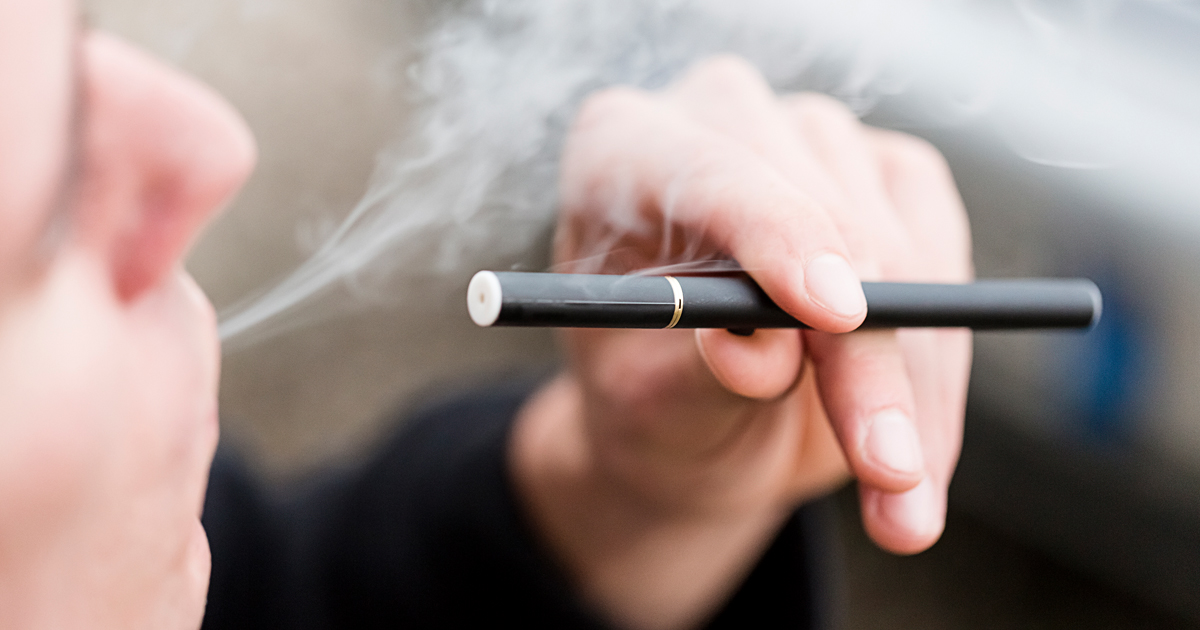
One of the first signs people describe is reaching for their vape without thinking.
It happens while checking messages, walking outside, finishing meals, or even during short pauses between tasks. Over time, the brain links tiny moments of downtime with inhaling, turning vaping into an unconscious response rather than a deliberate choice.
Behavioral psychologists call this cue-based habit formation, when an action becomes tied to everyday triggers instead of real cravings.
This is why many people say they vape more out of habit than desire. The ritual becomes embedded into normal life, making it feel strangely incomplete without something to replace that motion.

2. Stress Stops Feeling Manageable Without It
Many users notice vaping becomes strongest during stress.
Deadlines, traffic, social anxiety, or boredom suddenly feel easier to handle after an inhale. The brain begins associating relief with the action itself, not just the nicotine.
Over time, this creates a feedback loop:
stress → inhale → temporary calm → repeat.
The challenge is that the body starts expecting that response whenever discomfort appears. Without an alternative calming ritual, stress can feel amplified when trying to stop.
This is why quitting often feels less like removing a substance and more like losing a coping mechanism.
3. Small Dopamine Hits Keep the Cycle Going
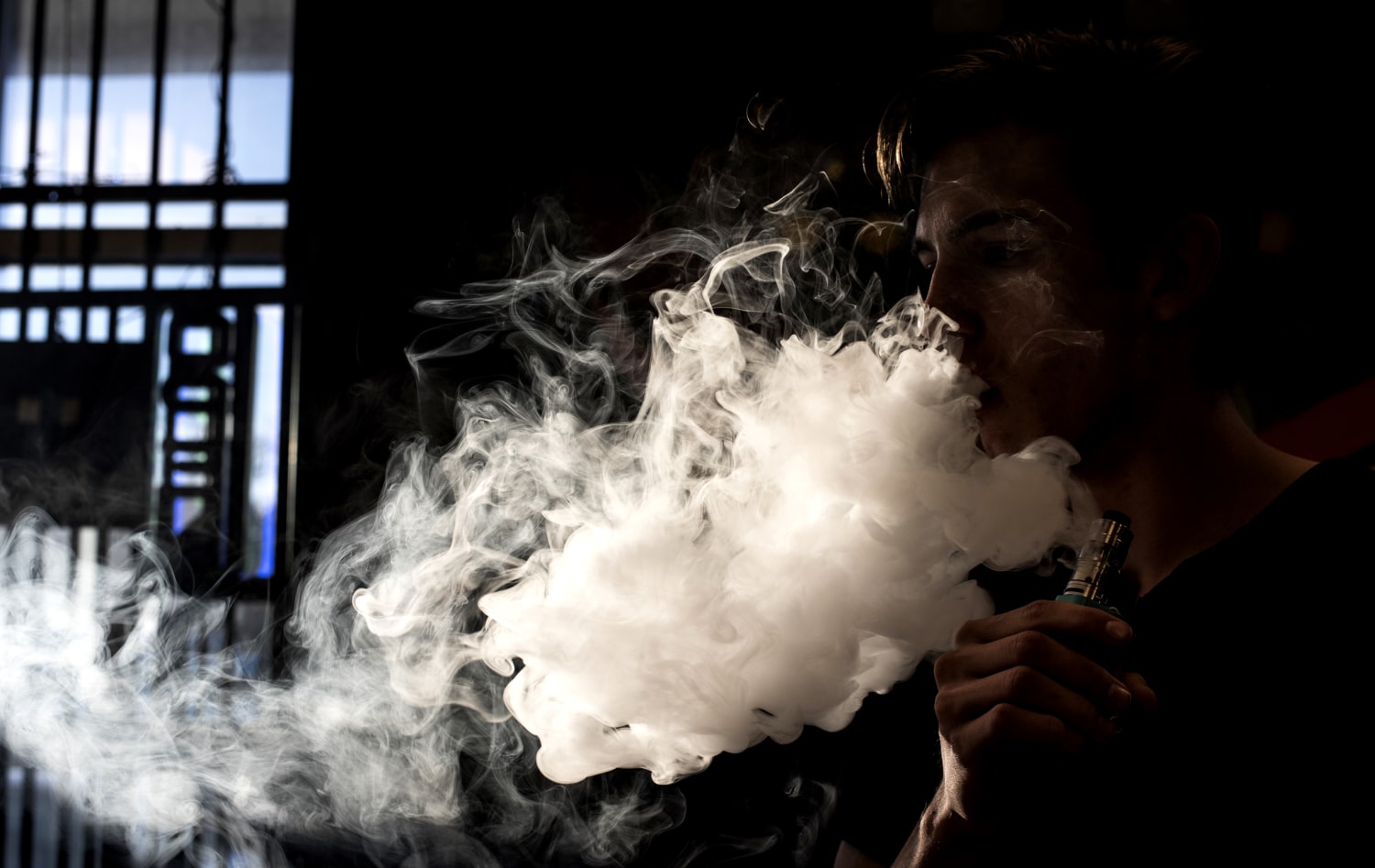
Unlike traditional smoking patterns, vaping allows frequent small inhales throughout the day.
Each inhale delivers a tiny reward signal to the brain, a quick dopamine spike that reinforces the behavior. These micro-rewards don’t feel dramatic, but repetition strengthens the habit pathway.
Neurologically, the brain begins preferring quick, repeatable rewards over longer-lasting satisfaction.
That’s why people often say:
“I didn’t even realize how often I was vaping until I tried to stop.”
The frequency, not just the substance, becomes part of the dependency.

4. The Ritual Becomes More Addictive Than the Nicotine
Something surprising happens over time: the ritual itself becomes comforting.
The hand movement.
The inhale.
The pause.
The exhale.
These sensory steps create a predictable moment of calm during chaotic days. Even people reducing nicotine often struggle because they miss the physical routine more than anything else.
This explains why willpower alone rarely works. Removing a ritual without replacing it leaves a behavioral gap the brain keeps trying to fill.
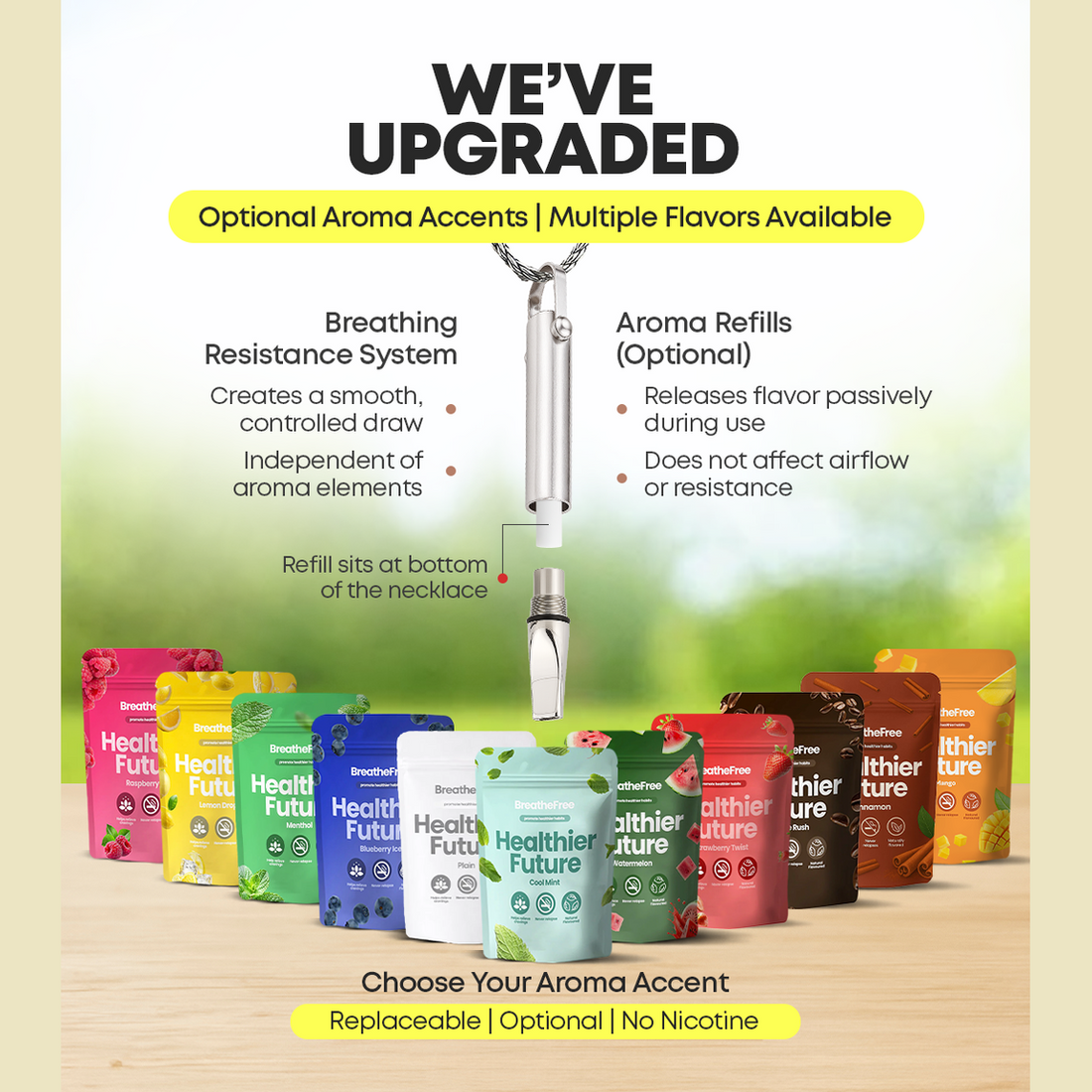
Many habit specialists now emphasize that successful change often involves replacing the ritual rather than eliminating it completely.

5. Your Day Starts Revolving Around the Next Puff
Eventually, vaping stops fitting into life and life begins fitting around vaping.
People may notice:
stepping outside more frequently,
planning breaks around inhaling,
feeling restless when devices aren’t nearby,
thinking about the next puff without intending to.
At this stage, the habit feels controlling rather than optional.
Importantly, this doesn’t mean someone lacks discipline. It means the brain has learned a highly reinforced behavioral loop, one designed around repetition and sensory reward.
And breaking that loop usually requires more than simply deciding to stop.
QUIT TOGETHER
BUY 1 GET 1