

No, your lungs don’t need a commercial “detox.” They clean themselves through mucus and cilia, and no lung-cleansing product carries FDA approval for that claim. Quitting smoking or vaping, not a tea or a supplement, is what actually gives your lungs room to recover.
TL;DR:
- Lung detox teas, pills, and other products lack scientific backing and FDA approval, often carrying potential risks like pneumonia from inhaled oils.
- Quitting smoking or vaping remains the most effective way to allow lungs to recover, with permanent damage not reversed by short-term detoxes.
- Airway-clearance techniques, such as pursed-lip and diaphragmatic breathing, support lung health, but require consistent practice instead of one-time hacks.
- Symptoms like persistent cough, shortness of breath, or chest pain should prompt immediate medical evaluation rather than reliance on detox products.
- Clinicians emphasize patience, gradual lung healing over months or years, and replacing unproven detox routines with proven behavioral and medical strategies.
Table of Contents
- Common Lung Detox Myths, Debunked
- How To Support Lung Clearance The Right Way
- Why “Lung Detox” Products Are Unproven Or Risky
- When Should You See A Doctor About Your Lungs?
- What Pulmonologists Wish You Understood About “Detox” Language
- A Note On Patience And Progress
- A Practical Way To Support Quitting Without Inhaling Anything
- Sources
Common Lung Detox Myths, Debunked
The internet loves a shortcut, and lung health has become a magnet for bad ones. Here’s where the science actually stands on the claims you’ve probably seen in your feed.
Myth 1: A quick cleanse undoes years of damage. Nothing you drink or swallow over a weekend reverses smoking-related lung changes built up over years. The American Lung Association is blunt about this: there’s no scientific evidence that herbal teas, pills, or “detox” kits clear the lungs, because the lungs already have a built-in clearance system running around the clock.
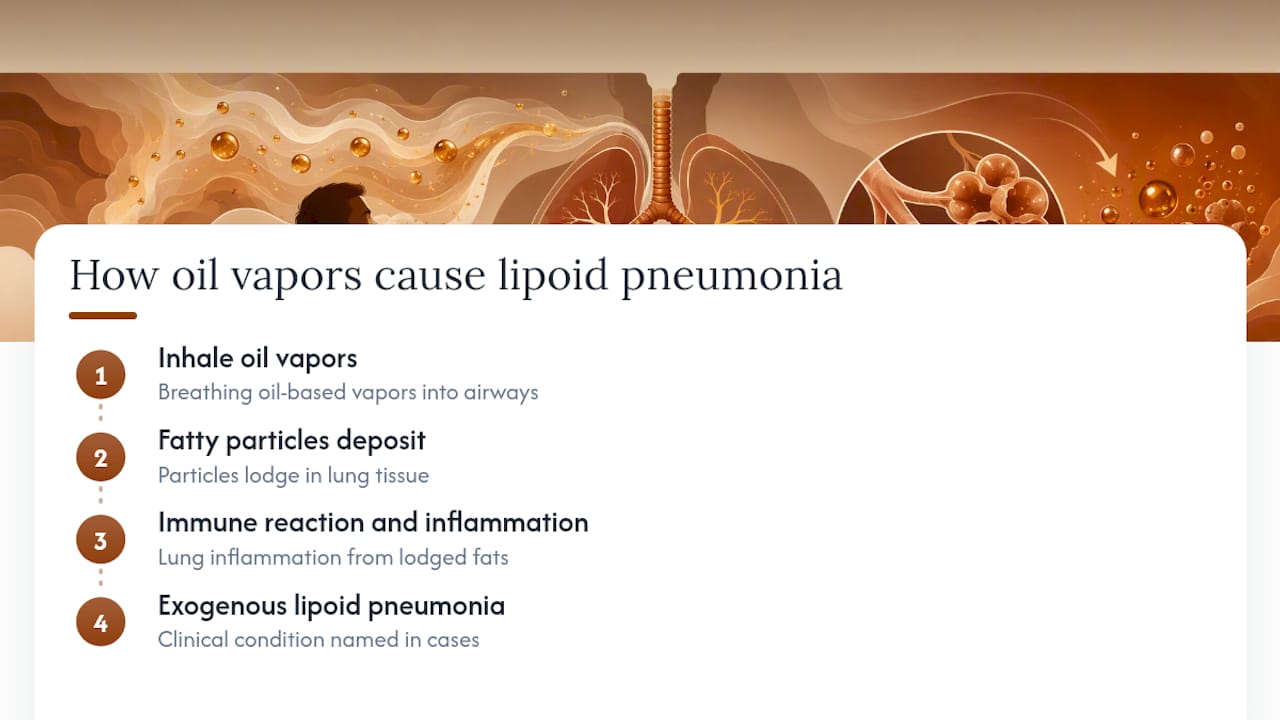
Myth 2: Inhaling essential oils is a safe, natural fix. It’s arguably the most dangerous myth on this list. Breathing in oil-based vapors can trigger exogenous lipoid pneumonia, a real condition where fatty particles lodge in lung tissue and provoke inflammation, according to clinical case data compiled by the American Lung Association.
Myth 3: Supplements or pills can reverse lung damage. No pill has cleared clinical trials for restoring damaged lung tissue. The “detox” supplement industry runs almost entirely on marketing language rather than regulatory review, a pattern Harvard Health has flagged repeatedly across the broader detox category.
Myth 4: Only smokers need to think about lung health. A significant share of lung cancer diagnoses occur in people who never smoked, according to Cancer Research. Radon, air pollution, and secondhand smoke all play a role, so persistent symptoms deserve attention regardless of smoking history.
Myth 5: A viral “7 second” breathing trick clears your lungs. Breathing techniques genuinely help, but not as a one-time flush. What works is consistent practice of specific methods, not a single viral hack promising instant results.
How To Support Lung Clearance The Right Way
Real lung recovery is slower and less dramatic than any ad promises, but it’s also far more reliable. Here’s the sequence that clinicians actually recommend:
- Quit the exposure first. Stopping smoking or vaping is the single biggest lever you can pull, since it stops new damage while your body works on repair, a point Hackensack Meridian Health emphasizes as the true starting point of any recovery plan.
- Practice airway-clearance techniques. Pursed-lip breathing, diaphragmatic breathing, controlled coughing, and postural drainage are standard clinical tools for moving mucus and improving breathing efficiency, particularly useful for anyone managing a chronic respiratory condition, per Medical News Today’s breakdown of these methods.
- Build supportive daily habits. Hydration keeps mucus thinner and easier to clear. Aerobic exercise, consistent sleep, and a diet rich in antioxidants and omega-3s round out the basics.
- Stay ahead of preventable risks. Test your home for radon, keep up with flu and pneumonia vaccinations, and pay attention to local air-quality alerts on high-pollution days, guidance the American Lung Association also stresses for long-term prevention.
For a deeper look at what changes in your body over time, the long-term health wins from quitting smoking are worth reading before you start.
Pro Tip: Try pursed-lip breathing right now: inhale through your nose for two counts, then exhale slowly through pursed lips for four. It’s a technique respiratory therapists teach patients recovering from COPD, and it works just as well for anyone easing breathlessness after a workout or a panic moment.

Why “Lung Detox” Products Are Unproven Or Risky
Walk through any wellness aisle and you’ll find lung detox teas, capsule blends, nebulized oil kits, steam devices, and salt inhalers, all promising to “flush toxins” or “reset” your lungs within days.
The regulatory reality is simpler than the marketing: most of these products have never been tested for lung-clearing claims, and none carry FDA approval for that purpose. Some carry real risk on top of the false promise.
- Inhaled oils can cause exogenous lipoid pneumonia, a documented condition tied to fatty particles settling in lung tissue.
- Unregulated supplements risk contamination or interactions with medications you’re already taking.
- Steam devices show only subjective, placebo-level relief in small studies, with WebMD noting no measurable improvement in actual lung function.
- Relying on any of these can delay a real diagnosis when symptoms need medical attention.
Watch for red flags: “detoxes while you smoke,” instant-results language, and celebrity endorsements with zero clinical backing behind them.
When Should You See A Doctor About Your Lungs?
Certain symptoms shouldn’t wait for a “detox” to work. See a clinician promptly if you notice:
- Coughing up blood
- Shortness of breath that persists or worsens
- Chest pain that doesn’t resolve
- Unexplained weight loss
Primary care can order a pulse oximetry check, chest X-ray, or basic pulmonary function test. Persistent or unexplained symptoms, or a heavy smoking history, usually warrant a pulmonologist and possibly low-dose CT screening. Follow-up care often includes pulmonary rehab, inhaled medications, and staying current on vaccinations.
What Pulmonologists Wish You Understood About “Detox” Language
Clinicians tend to avoid the word “detox” entirely, and for good reason.
Lungs aren’t about flushing something out. They’re about protecting tissue and giving the body time to repair itself. The language of “cleansing” implies a quick fix that just doesn’t exist in respiratory medicine.
That framing shift matters. Patients often reach for detox products as a ritual replacement after quitting, when what actually helps is swapping that ritual for something safer, a pattern Hackensack Meridian Health has observed in patients working through cessation.
A Note On Patience And Progress
Recovery isn’t instant, and that’s the part most people struggle with after quitting. Lung tissue heals gradually, often over months or years, not days. If a cough or shortness of breath lingers, get it checked rather than waiting it out. Pair medical guidance with a real behavioral plan for the habit itself. That combination, not a cleanse, is what actually moves the needle.
— Tommy
A Practical Way To Support Quitting Without Inhaling Anything
Quitting the source of exposure is the one step every clinician agrees actually helps your lungs heal. The hard part is replacing the ritual of smoking, not just the nicotine.
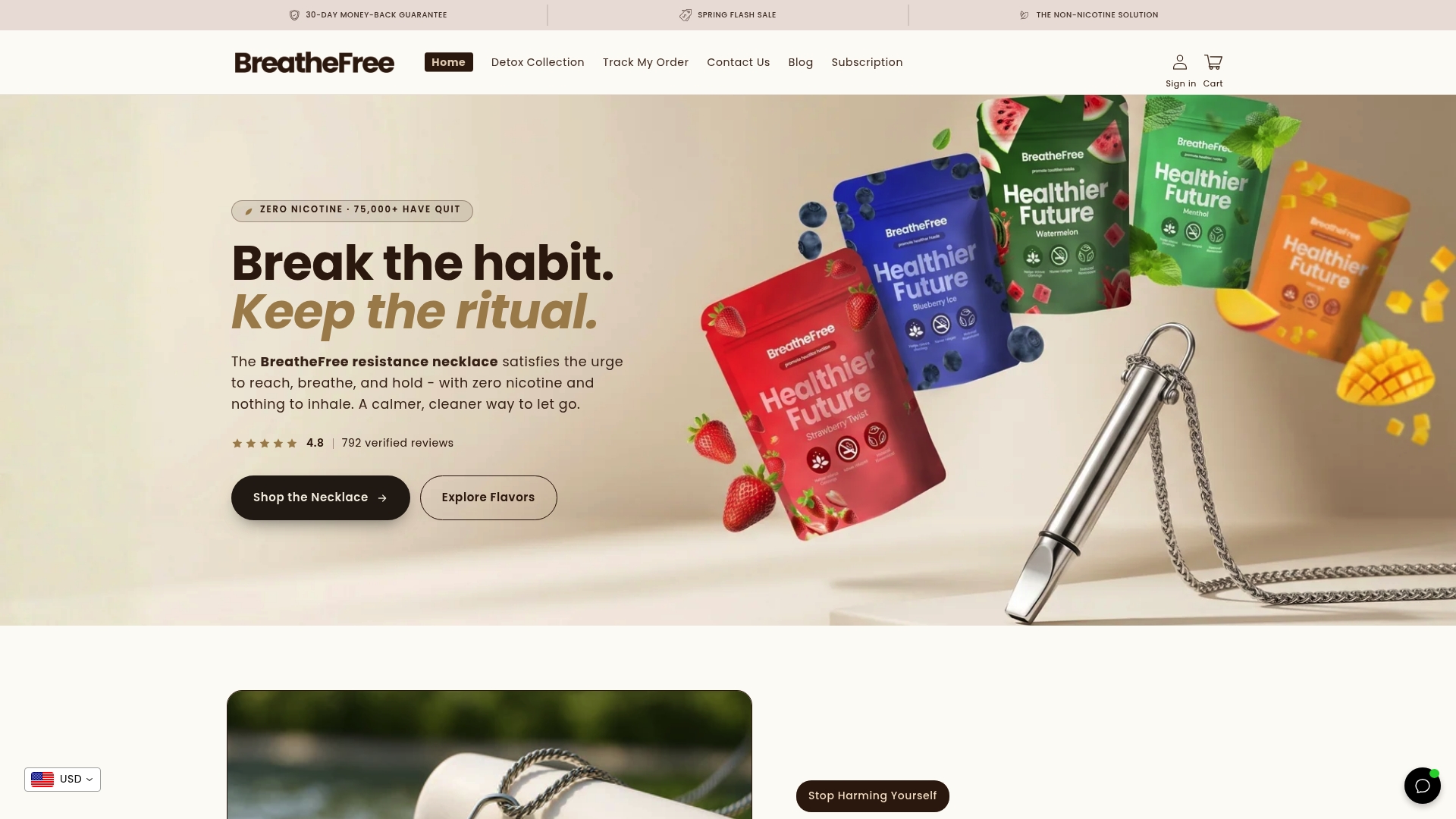
That’s the gap Breathefree was built to close. The resistance necklace gives your hands and mouth something to do during a craving, without inhaling anything at all, addressing the oral fixation that derails so many quit attempts. Pair it with the nicotine detox eBook and habit tracker to track cravings and build a structured plan, and lean on the Breathefree community for the accountability piece that solo quitting often lacks. If you’re tired of products that promise a lung “cleanse” but deliver nothing measurable, start with the tool that supports the one thing that actually works: quitting the exposure itself. Check out the resistance necklace and see if it fits your routine.
This article is general information, not a substitute for advice from a qualified doctor. Consult a qualified healthcare professional about your own circumstances before acting on anything here.
Sources
- Can You Detox Your Lungs? | American Lung Association
- Postural drainage and airway clearance techniques | Medical News Today
- Is lung detox a thing? How to help heal your lungs after smoking or vaping | Hackensack Meridian Health
- Lung detox: does it really work? | WebMD