
Is It Normal to Miss the Feeling of Vaping?
For many people trying to cut back or quit vaping, one unexpected challenge isn’t nicotine cravings, it’s missing the feeling itself. The inhale, the pause, and the routine can feel comforting. If you’ve noticed this, you’re not alone. And yes, it’s completely normal.
Key Takeaways
- Missing vaping often relates to habit and ritual, not just nicotine.
- The brain connects vaping with relaxation, focus, and emotional relief.
- Sensory routines can become psychologically comforting over time.
- Removing a habit without replacing the ritual can feel unsettling.
- Many people succeed by replacing the experience rather than suppressing it.
Why Vaping Becomes More Than Just Nicotine
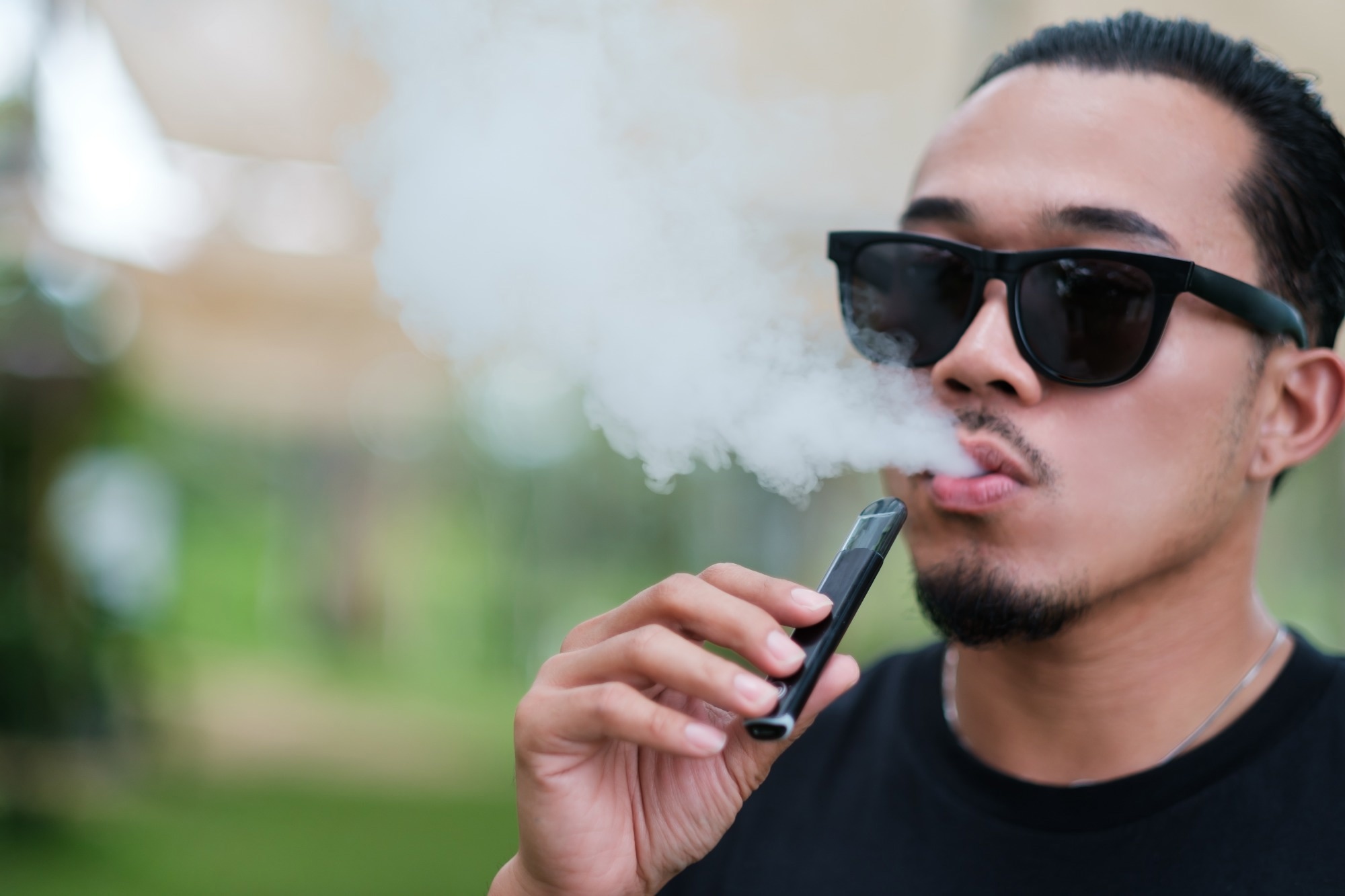
When people first start vaping, the focus is usually on curiosity, social influence, or replacing smoking. Over time, however, the experience becomes tied to everyday moments.
Morning routines.
Work breaks.
Stressful conversations.
Moments of boredom.
The brain begins linking vaping with relief or reward. Psychologists call this associative learning, where repeated behaviors become connected to emotions or environments.
Eventually, vaping stops being something you consciously decide to do, it becomes something your brain expects during certain moments of the day.
That expectation is often what people miss most.
The Power of Ritual and Repetition
Humans naturally rely on rituals to regulate emotions. Small repeated actions like drinking coffee, scrolling a phone, taking deep breaths create predictable moments of calm.
Vaping follows a similar pattern:
- hand movement,
- inhale,
- pause,
- exhale.
These steps create a short mental reset. Even without realizing it, many users begin using vaping as a way to transition between tasks or manage stress.
When the habit disappears, the brain notices the absence of that familiar reset point. This can create a feeling that something is “missing,” even if physical cravings are mild.

Why Quitting Can Feel Emotionally Strange
Many people expect quitting vaping to be purely physical. Instead, they often describe emotional reactions such as:
- restlessness during breaks,
- difficulty focusing,
- feeling slightly unsettled,
- missing the comfort of the inhale.
This happens because habits operate on both chemical and behavioral levels. While nicotine may leave the body relatively quickly, learned routines take longer to change.
The brain has learned:
inhale = calm moment.
Without a replacement behavior, the brain keeps searching for that familiar experience.
Missing the Sensation Doesn’t Mean You’re Failing
One common misconception is that missing vaping means a person lacks discipline or motivation. In reality, it often shows how effectively the brain adapted to a repeated routine.
Habits are designed to become automatic, that’s how humans conserve mental energy.
Feeling nostalgic for the sensation simply means the behavior became integrated into daily rhythms. Recognizing this can actually help people approach quitting with more self-understanding instead of frustration.
Why Replacement Often Works Better Than Suppression
Behavioral research increasingly shows that removing a habit entirely can be harder than replacing it with a safer alternative.
Instead of fighting urges constantly, many people find success by maintaining certain elements of the experience, such as:
- controlled breathing,
- sensory stimulation,
- hand-to-mouth motion,
- moments of intentional pause.
By keeping the ritual but changing the substance, the brain gradually learns a new association without feeling deprived.
This approach focuses on transition rather than restriction.

Exploring Nicotine-Free Ways to Replace the Ritual
As awareness around vaping grows, some people are exploring alternatives that recreate the calming inhale experience without nicotine or harmful chemicals.
These tools aim to preserve the sensory and breathing aspects many users miss, while removing the addictive components that make quitting difficult.
One example is the BreatheFree Smoke-Free Necklace, designed as a wearable, nicotine-free option that mimics the familiar inhale sensation using natural aroma compounds instead of vapor or smoke.
Rather than acting as another device to depend on, the idea is to support gradual habit change by giving users something familiar during moments when cravings or routines normally appear.
For individuals who mainly miss the feeling of vaping, approaches like this can make the transition feel less abrupt and more manageable.
A Different Way to Think About Letting Go of Vaping
Missing vaping doesn’t mean you want nicotine back. Often, it means your brain is adjusting to the absence of a daily ritual that once provided structure and comfort.
Understanding this distinction can change how quitting feels. Instead of viewing the process as losing something, it becomes an opportunity to build new routines that offer calm and control without the downsides.
Change tends to happen more smoothly when the experience evolves rather than disappears overnight.
Final Verdict
Yes, it is completely normal to miss the feeling of vaping. What many people long for isn’t the substance itself but the ritual, pause, and sensory comfort attached to it. Recognizing this can reduce guilt and make habit change more realistic. By focusing on replacing the experience instead of fighting it, many people find the transition away from vaping becomes far more sustainable.
FAQs
1. Why do I miss vaping even when I don’t crave nicotine?
Because vaping becomes a behavioral habit as much as a chemical one. The brain associates the inhale and routine with relaxation or focus. Even when nicotine withdrawal fades, the learned ritual can still feel comforting and familiar.
2. How long does it take to stop missing the feeling of vaping?
It varies by person, but behavioral habits typically take several weeks to months to fully adjust. The timeline often depends on whether a new routine replaces the old one. Creating alternative calming rituals can help the brain adapt faster.
3. Is missing vaping a sign that quitting isn’t working?
No. Missing the sensation is a normal part of habit change. It reflects psychological adjustment rather than failure. Many people experience this stage before feeling fully comfortable without vaping.
4. Why does vaping feel relaxing even when I know it isn’t helping?
The relaxation often comes from slow breathing and momentary pauses rather than the substance itself. The inhale pattern naturally slows breathing, which signals the nervous system to calm down, something that can be recreated in healthier ways.
5. Are nicotine-free alternatives helpful when trying to quit vaping?
For some people, yes. Alternatives that mimic the breathing ritual or sensory experience can reduce the feeling of loss during transition. They work best when used as tools to reshape habits rather than replacements for dependency.