

Headaches are one of the most common withdrawal symptoms when you quit smoking, and in nearly all cases they resolve on their own within a few weeks. Start with the basics: drink more water than usual, protect your sleep, and try an over-the-counter pain reliever if you’d normally use one for a headache. Cut back on caffeine gradually. Call a doctor if the pain is unusually severe, comes with a fever or stiff neck, or doesn’t ease up after three or four weeks.
TL;DR:
- Most nicotine withdrawal headaches start within 24 hours and peak between days 2 and 5, usually improving by the end of week three.
- Headache severity depends on smoking history, use of cessation aids, and pre-existing headache conditions, with longer or heavier smokers experiencing more intense symptoms.
- Hydration, regular meals, OTC pain relievers, and relaxation techniques can effectively mitigate withdrawal headaches, especially when combined with proper sleep and stress relief.
- Caffeine sensitivity increases after quitting smoking, making existing habits like coffee consumption a common headache trigger due to slower caffeine clearance.
- Seek medical attention if headaches are sudden, severe, or accompanied by neurological symptoms, fever, neck stiffness, or if they persist beyond four weeks.
Table of Contents
- What Nicotine Withdrawal Headaches Feel Like and Why They Happen
- When Do Headaches Start, Peak, and Fade After You Quit?
- What Actually Helps: Relief and Self-Care That Works
- Why Caffeine Makes Post-Quit Headaches Worse
- When a Headache Needs a Doctor’s Attention
- Non-Nicotine Tools That Can Support a Quit Attempt
- A Quick Word of Encouragement
- Breathefree Fits Into the Early, Hardest Days of Quitting
- Sources
- FAQ
What Nicotine Withdrawal Headaches Feel Like and Why They Happen
Most people describe it as a dull, band-like pressure across the forehead or temples, similar to a tension headache. Some report something closer to a migraine, with throbbing pain on one side, light sensitivity, or mild nausea. You’ll often notice company for the headache too: irritability, trouble concentrating, restlessness, and choppy sleep tend to show up in the same window.
The biology behind this is straightforward once you see it laid out. Nicotine artificially props up dopamine and other neurotransmitters tied to mood and alertness. Pull it away suddenly and your brain chemistry has to recalibrate, which can alter how you process pain signals in the short term. Nicotine also constricts blood vessels, so quitting changes blood flow patterns your body had gotten used to, which some researchers connect to the headache pattern smokers report when they stop. On top of that, the anxiety and muscle tension that come with early withdrawal, especially clenched jaw and tight shoulders, feed straight into tension-type headache pain.
A few things worth flagging as you sort through your own symptoms:
- Tension-type pain (pressure, tightness, both sides of the head) is the most commonly reported pattern.
- Migraine-like symptoms (throbbing, one-sided, sensitivity to light or sound) happen less often but are documented in clinical case reports on nicotine withdrawal, which is a good reason to mention unusual symptoms to a doctor rather than assume it’s “just withdrawal.”
- Accompanying symptoms like dizziness, irritability, and disrupted sleep often show up alongside the headache rather than as separate issues.
- Cessation medications matter too. Nicotine replacement therapy and prescription aids like bupropion can list headache as a side effect on their own, separate from withdrawal itself, according to Cleveland Clinic’s guidance on quitting smoking.
That last point trips people up. If you started a patch or gum at the same time you quit, and the headache showed up after, it’s worth considering whether the aid itself is contributing rather than pure withdrawal. For more on how your body adjusts more broadly, Breathefree’s breakdown of withdrawal symptoms covers the wider physical picture beyond just headaches.
When Do Headaches Start, Peak, and Fade After You Quit?
The timeline is fairly predictable, which is useful when you’re trying to figure out if what you’re feeling is normal.
- Hours 1 to 24: Headaches can start within the first day, sometimes even faster in heavy smokers, as nicotine levels drop.
- Days 2 through 5: This is typically the roughest stretch. Medical News Today’s withdrawal timeline notes that withdrawal symptoms, including headaches, tend to peak in this window.
- Weeks 2 through 3: Physical symptoms usually taper off steadily, with most people reporting real improvement by the end of week three.
How long and severe it gets depends on a few personal factors: how much and how long you smoked, whether you quit cold turkey versus using NRT (which can smooth the nicotine drop but occasionally introduces its own headache), and whether you already deal with migraines or tension headaches regularly. If you had frequent headaches before quitting, don’t be surprised if withdrawal makes them feel worse for a stretch. Keeping a simple daily note of when headaches hit and how intense they are helps you spot the trend line, even when day-to-day it feels like no progress at all.
What Actually Helps: Relief and Self-Care That Works
The first-line moves are unglamorous but they work. Dehydration alone can trigger or worsen a headache, and early withdrawal often comes with irregular eating and disrupted sleep, both of which make things worse. Fix those three basics first: water, regular meals, consistent sleep.
From there, Cleveland Clinic recommends a short list of dependable options:
- Hydration — more water than you think you need, especially in the first week.
- OTC pain relievers — acetaminophen, ibuprofen, or naproxen at standard doses handle most withdrawal headaches. If you’re using a nicotine patch or gum, ask a pharmacist about timing, since some people find pain relievers work better spaced away from NRT dosing.
- Cold compresses — applied to the forehead or back of the neck for 10 to 15 minutes at a time.
- Rest — withdrawal is physically taxing even when you don’t feel “sick,” so treat sleep as part of the treatment, not a luxury.
Beyond the basics, relaxation techniques do real work here because a lot of withdrawal headache pain is tension-driven. Slow breathing exercises, a short walk, or even just unclenching your jaw a few times an hour can take the edge off. Behavioral coping strategies documented by University of Michigan HR point to physical activity and social support as measures that reduce how severe physical symptoms feel, not just how you feel emotionally about them.
There’s also a craving angle worth understanding: anxiety and unmet cravings raise muscle tension and stress hormones, which can amplify headache pain that’s already there. Anything that occupies your hands and mouth during a craving, whether that’s chewing gum, fidgeting with something, or using an oral-fixation tool, can take some of that edge off indirectly.
Pro Tip: Set a phone reminder to drink a full glass of water every two hours for the first five days. Dehydration headaches are so easy to prevent and so easy to mistake for “just withdrawal” that this one habit alone knocks out a meaningful chunk of the pain.
If withdrawal symptoms are severe enough to derail your attempt, NRT or a prescription aid like bupropion or varenicline can reduce the intensity of withdrawal overall, even though some of these carry their own headache risk as a side effect. That tradeoff is worth a real conversation with a doctor rather than guesswork.
Why Caffeine Makes Post-Quit Headaches Worse
Here’s the part almost nobody warns you about: your morning coffee habit doesn’t stay the same after you quit, even if you drink the exact same amount.
Smoking speeds up how fast your liver clears caffeine. Once you quit, that clearance slows down, sometimes dramatically, which means the same two cups of coffee that used to clear your system quickly now linger and build up. Medical News Today’s coverage of smoking-related headaches points to this caffeine sensitivity shift as a real, underappreciated trigger for post-quit headaches. Making it worse, a lot of people unconsciously increase their coffee intake in the first week to fight fatigue and cravings, which stacks a bigger dose on top of slower clearance, according to Mid Valley Healthcare’s observations on quitting and caffeine.
The fix is simple, if a little tedious:
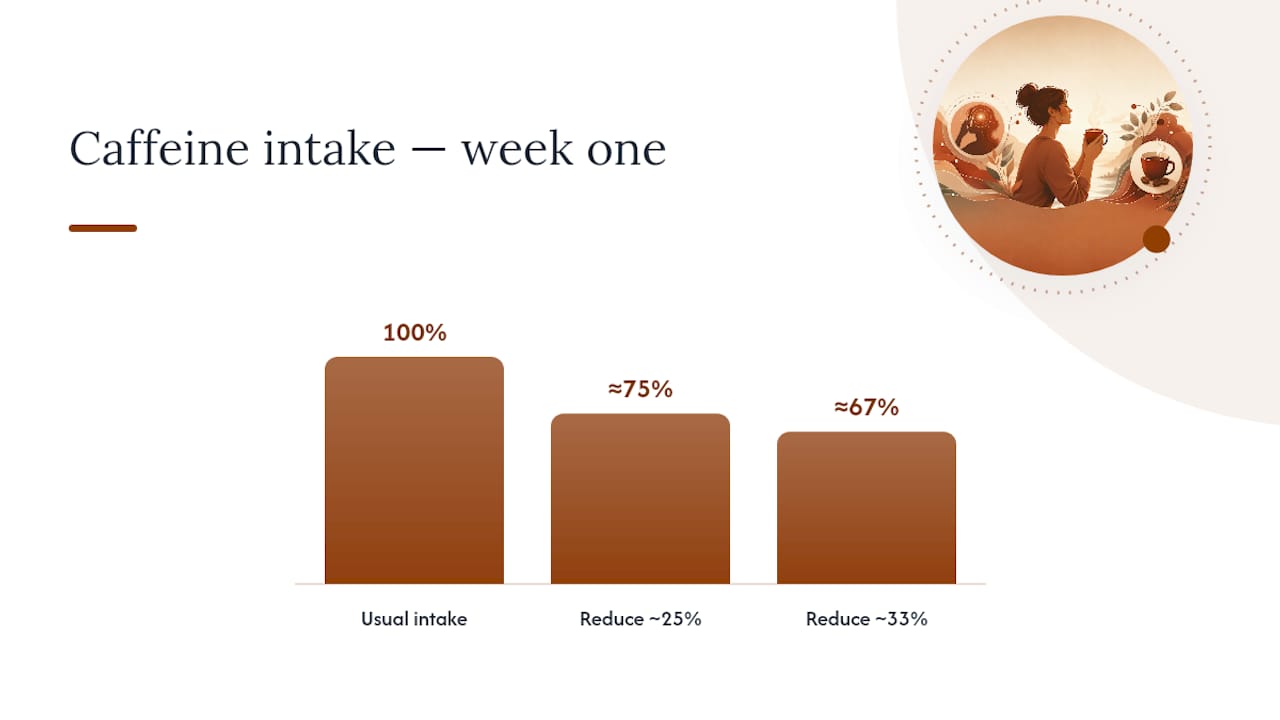
- Cut your usual caffeine intake by roughly a quarter to a third during week one rather than keeping it steady.
- Switch one cup a day to decaf or half-caf instead of quitting caffeine outright, which avoids trading one withdrawal for another.
- Watch the clock. Caffeine after early afternoon compounds sleep problems that are already common in withdrawal.
On the medication side, if you’re using NRT, some people notice OTC pain relievers work less predictably depending on dosing timing, and drugs like bupropion or varenicline can independently cause headaches as a side effect. If a headache shows up alongside starting a new cessation aid, that’s worth mentioning to whoever prescribed or recommended it.
When a Headache Needs a Doctor’s Attention
Most post-quit headaches are annoying, not dangerous. But a few signs mean it’s time to stop self-treating and get evaluated.
- Sudden, severe pain unlike anything you’ve had before, especially if it comes on abruptly.
- Neurological symptoms — vision changes, numbness, slurred speech, or confusion alongside the headache warrant emergency care, not a wait-and-see approach.
- Fever or neck stiffness paired with headache needs prompt medical evaluation.
- Headaches lasting beyond three to four weeks or steadily getting worse instead of better fall outside the typical withdrawal pattern described by Medical News Today.
If you already have a history of migraines or cluster headaches, don’t wait for things to get unbearable before looping in a specialist. Withdrawal can intensify an existing headache disorder, and earlier input usually means better management.
Non-Nicotine Tools That Can Support a Quit Attempt
A meaningful share of withdrawal discomfort, headaches included, gets amplified by unmanaged cravings and the stress that comes with them. That’s part of why behavioral substitution tools have a real place alongside hydration, sleep, and relaxation work.
Breathefree’s resistance necklace and flavor refills work on the oral-fixation piece specifically: something to hold, chew on, and draw flavor from during a craving, without any nicotine or inhalation involved. The idea is to occupy the hands-and-mouth ritual that smoking used to fill, which can lower the craving-driven tension that makes headaches feel worse.
- Useful alongside relaxation techniques, community support, or clinician-guided NRT when withdrawal is severe.
- Not a treatment for migraines, cluster headaches, or any headache disorder. If pain is intense or unusual, see a doctor rather than relying on a behavioral tool alone.
A Quick Word of Encouragement
Withdrawal headaches feel unfair when you’re already fighting cravings and short sleep, but they’re one of the most temporary parts of quitting. Track what you’re feeling, lean on the hydration and rest basics, and don’t hesitate to get medical input if something feels off. The long-term mental health gains from quitting are worth pushing through a rough couple of weeks.
— Tommy
Breathefree Fits Into the Early, Hardest Days of Quitting
The toughest part of quitting isn’t understanding why you should stop. It’s getting through the hours when your hands want something to do and your head is already pounding. Breathefree was built specifically for that gap: a nicotine-free, chemical-free resistance necklace that gives you something physical to hold and pull on, paired with natural flavor refills, so the oral-fixation habit that made smoking so hard to quit has somewhere to go.

Use it the same way you’d use any of the self-care steps above, alongside water, sleep, and a cold compress when a headache hits, or alongside NRT if your doctor has recommended that route. It’s not a substitute for medical care if your headaches are severe or persistent, but it does give you a concrete tool for the craving spikes that make everything else feel worse. The necklace and flavor refills are available on the Breathefree product collection. Pricing details and terms are listed on their site. If you want ongoing flavor refills without reordering each time, check the subscription option and set it up before your next craving hits.
Sources
This article draws on guidance from Cleveland Clinic, Medical News Today, a peer-reviewed PMC case report, and WebMD.
- Nicotine Headache — Cleveland Clinic
- Nicotine withdrawal: Symptoms, timeline, and how to cope — Medical News Today
- Monocular diplopia‐associated migraine‑like headache induced by nicotine withdrawal — PMC
FAQ
What are the common symptoms of nicotine withdrawal?
Beyond headaches, expect irritability, anxiety, trouble concentrating, increased appetite, sleep disruption, and strong cravings. Most of these symptoms peak within the first two to five days and improve steadily after that.
Is it safe to quit nicotine pouches cold turkey?
For most healthy adults, quitting nicotine products cold turkey is safe, though it often produces a sharper withdrawal experience than tapering with NRT. Anyone with underlying heart or mental health conditions should talk to a doctor before quitting abruptly.
Why do I feel worse three months after quitting smoking?
A setback at three months usually isn’t withdrawal returning. It’s more often stress, a life event, or old smoking triggers resurfacing after the initial adjustment period has passed. If new physical symptoms show up that weren’t there in the first month, that’s worth a doctor’s visit rather than assuming it’s related to quitting.
Is quitting nicotine good for anxiety?
Long-term, yes. Nicotine creates a cycle where the “relief” it offers is really just staving off withdrawal anxiety it caused in the first place, and Cleveland Clinic notes that giving yourself grace and leaning on social support makes the short-term anxiety spike more manageable. The first few weeks can feel worse before anxiety levels settle below where they were as a smoker.
Can Breathefree help with headaches from quitting?
Breathefree’s resistance necklace doesn’t treat headaches directly, but it targets the craving-driven tension that often makes withdrawal headaches feel worse. Pairing it with hydration, rest, and OTC pain relief covers both the physical and behavioral sides of early withdrawal.