

An immediate oral substitute is a nicotine-free tool you put in your mouth the moment a craving hits, giving your hands and lips something to do while the urge passes. It works because much of what feels like a “nicotine craving” is actually your body missing a ritual: the reach, the lift, the inhale. Satisfy that pattern with something harmless and the craving loses its grip.
The quickest options to have ready right now:
- Breathefree resistance necklace with flavor refills: a wearable, nicotine-free oral fixation device you can sip or breathe through
- Sugar-free gum or hard candy: immediate sensory replacement, widely available
- Flavored toothpicks or stir sticks: portable, zero calories, strong sensory feedback
- Sip bottle or straw: mimics the hand-to-mouth motion closely
- Crunchy snacks (nuts, carrots, celery): adds jaw engagement to the distraction
Key Takeaways
Nicotine-free oral substitutes work because they replace the hand-to-mouth ritual while cravings, which typically last 5–10 minutes, pass on their own.
| Point | Details |
|---|---|
| Cravings last 5–10 minutes | An oral substitute only needs to bridge a short window — ride it out and the urge passes. |
| Practice before quit day | The CDC recommends trialing substitutes before your quit date so they are already wired to your triggers. |
| Combine with counseling for best results | MD Anderson notes that pairing behavioral tools with counseling roughly doubles quit success for many adults. |
| Escalate when needed | Heavy dependence, repeated failed attempts, or severe withdrawal symptoms call for NRT or prescription support. |
| Breathefree necklace | A wearable, reusable, nicotine-free oral fixation device with flavor refills, used by over 75,000 people. |
Table of Contents
- How do nicotine-free oral substitutes actually relieve cravings?
- What should you do the moment a craving hits?
- What types of nicotine-free oral substitutes can you try in the U.S.?
- Where do oral substitutes fit in an evidence-based quit plan?
- How do you choose a safe oral substitute and where do you buy one?
- Safety notes and when to see a clinician
- A 7-step quick-start plan for this week
- What actually shifts when you use a nicotine-free substitute
- The Breathefree resistance necklace: a nicotine-free option worth trying
- Sources
How do nicotine-free oral substitutes actually relieve cravings?
Oral substitutes work by replacing the ritual and sensory stimulation of smoking while the craving runs its course. The behavioral mechanism is straightforward: your brain has linked a specific sequence of physical actions to nicotine delivery. Break the sequence with a substitute and the conditioned response weakens over time.
Research on oral hygiene as a behavioral intervention suggests that for people whose dependence is primarily behavioral, ritualized substitutes can outperform medication alone at satisfying the hand-to-mouth pattern. That is a meaningful distinction: if you reach for a cigarette out of habit more than physical need, a physical substitute addresses the actual problem.
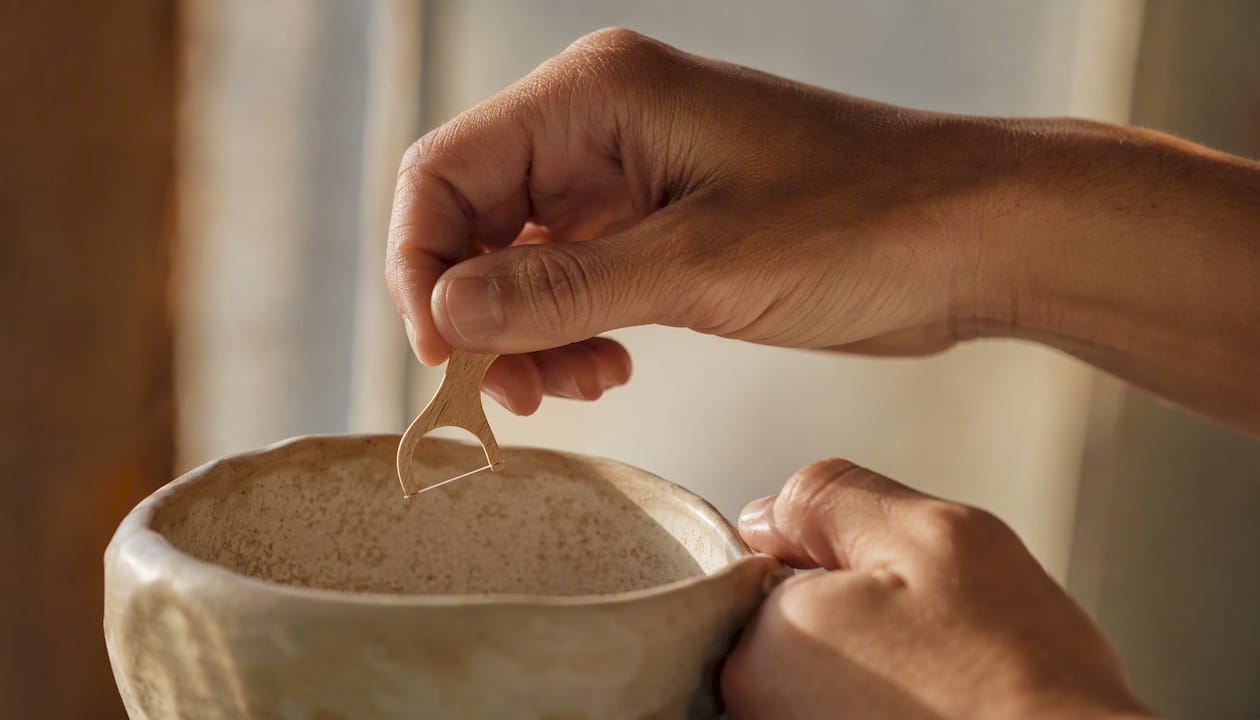
The timing also works in your favor. According to UCSF Rx for Change, cravings typically peak and pass within 5–10 minutes. An oral substitute does not need to eliminate the urge; it just needs to fill that window.
The three mechanisms working together:
- Distraction: your attention shifts to the taste, texture, or resistance of the substitute
- Slowed breathing: devices like the Breathefree necklace encourage controlled exhalation, which activates the parasympathetic nervous system
- Sensory replacement: flavor and oral stimulation signal the brain that “something happened,” reducing the feeling of deprivation
What should you do the moment a craving hits?
The fastest effective sequence: grab your oral substitute, sip water, and delay any decision for five minutes.
Start with the substitute in hand. Put the Breathefree necklace to your lips, bite a toothpick, or pop a piece of sugar-free gum. The physical act of reaching for something redirects the automatic reach-for-a-cigarette motion. Then drink a full glass of water slowly. Water keeps your mouth occupied and mild dehydration can amplify craving intensity.
After that, delay. Tell yourself you will wait ten minutes. Most cravings dissolve before the timer ends. The CDC recommends keeping oral substitutes ready and practicing with them before your quit date so the habit is already wired when you need it.
Pro Tip: Pair your oral substitute with a slow exhale through the nose. The breathing pattern mimics the exhale of a cigarette and gives the ritual a satisfying endpoint, which cuts the urge faster than the substitute alone.
What types of nicotine-free oral substitutes can you try in the U.S.?
The best option depends on your trigger. Driving calls for something hands-free and long-lasting; a stressful phone call needs something you can grab in one second. Here is a breakdown of what works and where.
- Flavored toothpick or stir stick: best for post-meal and desk cravings. Strong flavor payoff, zero cost at a coffee shop. Drawback: snaps under pressure and is single-use.
- Sugar-free gum: the most portable option in the U.S. Jaw movement adds a physical dimension most substitutes miss. Watch the sorbitol content if you use it heavily.
- Hard candy or non-nicotine lozenge: good for social situations where gum feels impolite. Lasts longer than gum. Higher sugar risk if you reach for it constantly.
- Straw or sip bottle: closest physical match to the hand-to-mouth motion of vaping. Free, refillable, and discreet. Less sensory payoff than flavored options.
- Crunchy snacks (nuts, carrots, celery): jaw engagement plus nutrition. Truth Initiative notes that certain foods, including nuts and dark chocolate, can reduce craving intensity or make smoking less appealing. The downside is that snacks are not always at hand and can add calories.
- Breathefree resistance necklace with flavor refills: wearable, reusable, and designed specifically for oral fixation. The refill system lets you swap flavors to prevent habituation. See the cigarette substitute guide for a deeper look at how physical substitutes compare.
For readers curious about how nicotine-free tools differ from products that still contain nicotine, this overview of smokeless nicotine alternatives lays out the contrast clearly.
| Criteria | Toothpick/Stir stick | Sugar-free gum | Sip bottle/Straw | Breathefree necklace |
|---|---|---|---|---|
| Portability | High | High | Medium | High |
| Sensory strength | Medium | Medium | Low | High |
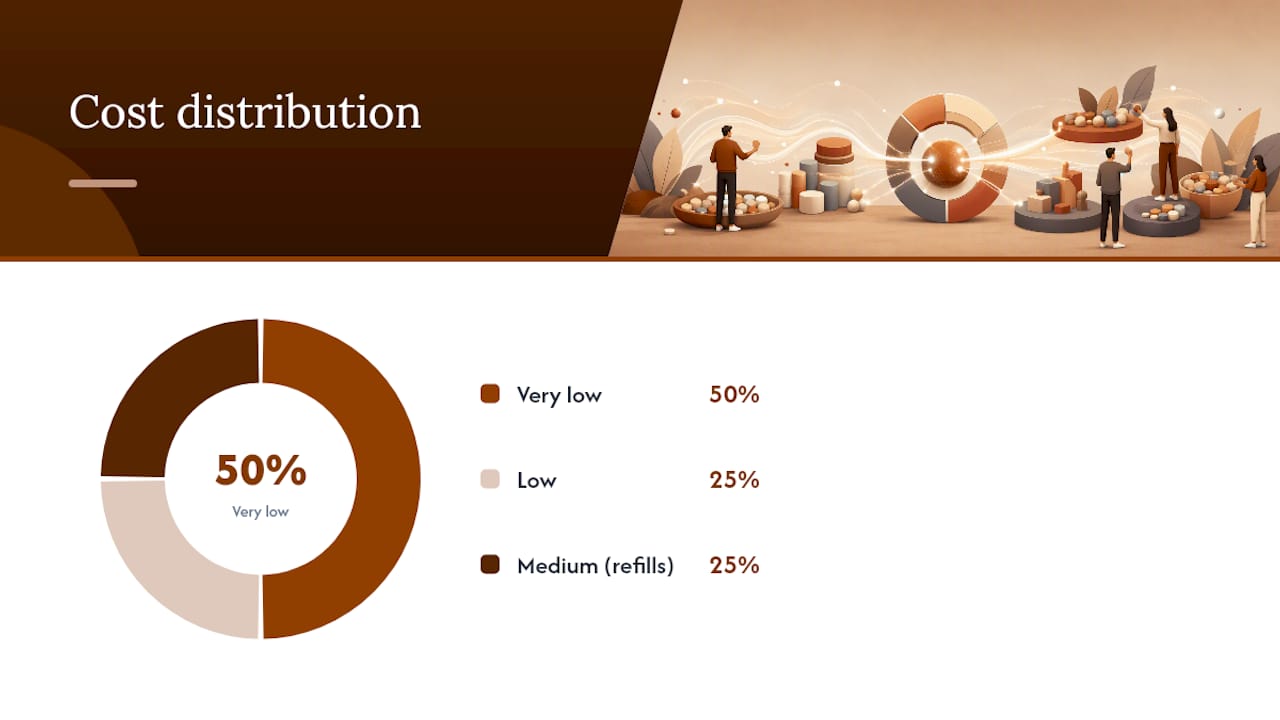
| Cost | Very low | Low | Very low | Medium (refills) |
| Durability | Single-use | Single-use | Reusable | Reusable |
Where do oral substitutes fit in an evidence-based quit plan?
Nicotine-free oral substitutes are a useful immediate tool, but they work best alongside counseling or nicotine replacement therapy (NRT) when dependence is moderate to severe.
MD Anderson is direct on this: combining medication and counseling roughly doubles quit success for many adults, and counseling can specifically address the hand-to-mouth ritual through behavioral substitutes. Oral substitutes slot into the Assist step of the 5 A’s framework (Ask, Advise, Assess, Assist, Arrange), a brief intervention model endorsed by NCBI public health guidance. Under Assist, a clinician or counselor helps you choose tools, including behavioral substitutes, to manage cravings between sessions.
Quitlines are available in every U.S. state and offer trained counselors, referrals, and sometimes mailed NRT starter kits at no cost. Call 1-800-QUIT-NOW to reach your state line. For a full breakdown of what quitline services cover, the quit smoking support resources guide is a practical starting point.
When to escalate beyond a nicotine-free substitute:
- You smoke more than a pack a day or vape constantly throughout the day
- You experience strong physical withdrawal (shaking, severe anxiety, insomnia)
- You have tried quitting three or more times without success
- Cravings are not easing after two weeks of consistent substitute use
Each cigarette can deplete approximately 25 mg of vitamin C from your body’s stores — pairing oral substitutes with vitamin-C-rich foods supports recovery while you quit.
How do you choose a safe oral substitute and where do you buy one?
Selection criteria worth checking before you buy:
- Material safety: look for BPA-free, food-grade materials on any device that contacts your mouth
- Flavor refill safety: confirm refills use food-safe flavorings, not fragrance oils
- Portability: will you carry it in a pocket, a bag, or wear it?
- Durability: single-use items work for testing; a reusable device costs less over time
- Cost: gum and toothpicks run under $5; a quality reusable device like the Breathefree necklace is a one-time purchase with low-cost refills
Where to buy in the U.S.:
- Drugstores and grocery stores: sugar-free gum, hard candy, toothpicks, and straws are available at CVS, Walgreens, Walmart, and Target
- Online direct: the Breathefree resistance necklace ships directly to your door with flavor refill options
- Quitline mail programs: some state quitlines mail NRT starter kits; ask when you call 1-800-QUIT-NOW
- Health food stores: crunchy snacks, dark chocolate, and herbal teas that reduce craving intensity are easy to find at Whole Foods or Sprouts
For a broader look at nicotine-free tools and where they fit in a quit plan, the nicotine-free wellbeing guide covers gum, lozenges, and non-nicotine devices side by side.
Safety notes and when to see a clinician
Most nicotine-free oral substitutes carry low risk for healthy adults. A few cautions apply:
- Pregnancy or breastfeeding: consult your OB before using any new oral device or flavored product
- Severe dental disease or oral sores: hard candy, toothpicks, and bite-resistant devices can aggravate existing damage
- Swallowing disorders: avoid small items that could be aspirated; choose a wearable device instead
- Young teens: adult-oriented cessation tools are not designed or tested for adolescents; a pediatrician should guide cessation in that age group
- Severe nicotine dependence: a nicotine-free substitute alone is unlikely to be sufficient; combine with NRT or prescription medication under medical supervision
Red flags that warrant a clinician visit: chest pain, severe anxiety or depression during withdrawal, significant weight changes, or cravings that intensify rather than ease after two weeks.
This article provides general information, not medical advice. Confirm any cessation approach with a qualified healthcare provider.
A 7-step quick-start plan for this week
- Today: choose one oral substitute from the list above and buy or order it
- Day 2: practice using it during a low-stakes craving (after a meal, during a commute) before your quit date
- Day 3: identify your top two triggers (driving, phone calls, stress) and match a substitute to each
- Day 4: set your quit date within the next 7 days and tell one person
- Day 5: call 1-800-QUIT-NOW or schedule a counselor appointment if your dependence is moderate to heavy
- Day 6: stock up on craving-reducing foods (nuts, water, dark chocolate) to pair with your substitute
- Quit day: use your substitute at the first craving, run the 10-minute delay, and track each craving you ride out
Habit tracker (copy this):
- [ ] Craving hit at: ____
- [ ] Substitute used: ____
- [ ] Duration until craving passed: ____ minutes
- [ ] Trigger identified: ____
The structured quit plan guide has a full 12-week version for heavier smokers who need more scaffolding.
What actually shifts when you use a nicotine-free substitute
The first thing that changes is not the craving intensity. It is the feeling of helplessness. When you reach for the Breathefree necklace instead of a cigarette, you are doing something, and that matters more than most people expect. The ritual is preserved; the nicotine is gone. For many people, that swap is the psychological hinge the whole quit turns on.
What the 5 Reasons Why page captures well is that more than 75,000 people have used this approach, and the consistent thread is not willpower. It is having a physical object that fits the existing habit pattern. The hand still reaches. The mouth still engages. The brain gets its cue. The difference is what follows.
Oral substitutes are not a magic fix, and they are not meant to be. They are a bridge. The hand-to-mouth ritual guide explains why quitters who skip this step tend to white-knuckle through cravings instead of redirecting them, which burns motivation fast.
The Breathefree resistance necklace: a nicotine-free option worth trying
Cravings hit fast and they do not wait for a convenient moment. The Breathefree resistance necklace is designed for exactly that: a wearable, nicotine-free oral fixation tool you have on you at all times. It addresses both the hand-to-mouth ritual and the sensory need through swappable flavor refills, so the experience stays fresh rather than fading into background noise.
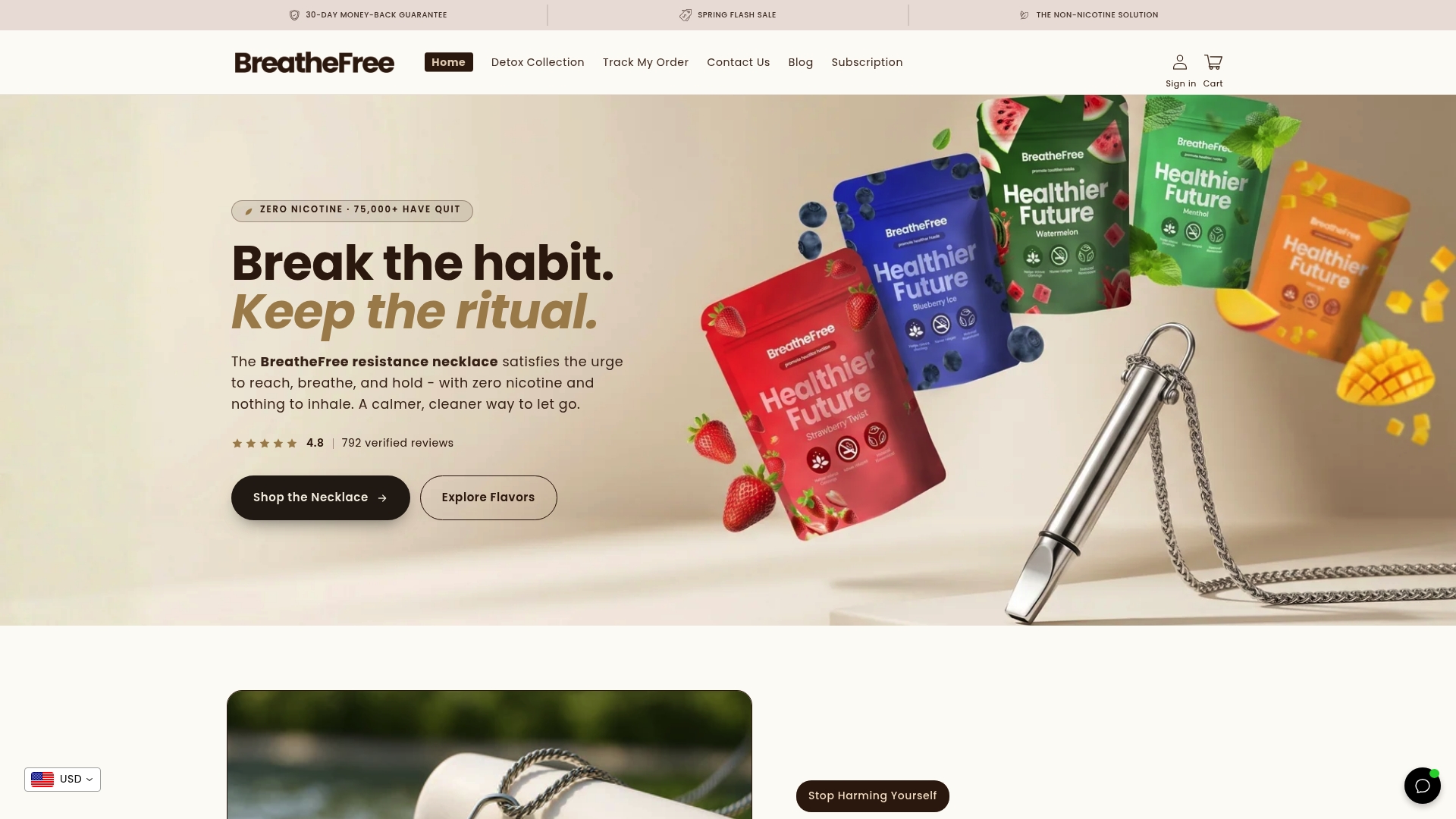
Many people have used Breathefree’s approach to quit without nicotine replacement. If you want a structured plan alongside the necklace, the Nicotine Detox eBook and Habit Tracker pairs daily tracking with a step-by-step quit framework. Pick up the necklace, build the habit, and use the tracker to see your progress in real time.
Sources
- What’s the best way to quit smoking? | UT MD Anderson
- Treating tobacco use and dependence (NCBI / public health review)
- Tips for quitting | CDC
- Coping strategies for quitting tobacco (UCSF Rx for Change)
- 8 foods and drinks that could help people quit | Truth Initiative
Find local quitline support: call 1-800-QUIT-NOW (1-800-784-8669) to reach your state’s free cessation line. Services vary by state and may include mailed NRT, counseling sessions, and referrals.
For product support and additional resources, visit Breathefree.
This article is general information, not a substitute for advice from a qualified doctor. Consult a qualified healthcare professional about your own circumstances before acting on anything here.