

No food scrubs your lungs clean, but apples, tomatoes, beets, berries, leafy greens, fatty fish, green tea, turmeric, olive oil, and pumpkin seeds all support lung function by fighting inflammation and delivering nutrients your airways actually use. These foods work through real mechanisms, not magic, and none of them replace medical care for persistent coughing, wheezing, or shortness of breath.
TL;DR:
- Beets and leafy greens contain nitrates and magnesium, which improve oxygen delivery and support airway muscle function.
- Consuming a variety of antioxidant-rich fruits like berries, apples, and tomatoes can help reduce oxidative stress and slow lung decline.
- Including fatty fish and walnuts regularly actively resolves inflammation rather than merely blocking it, aiding chronic airway health.
- Avoid processed meats, excess salt, sugary drinks, and trans fats, as they impair lung function and promote inflammation or fluid retention.
- Quitting smoking remains the most effective step for lung health, with diet supporting recovery but not replacing cessation efforts.
Table of Contents
- Best Lung Cleansing Foods to Add to Your Plate
- How These Foods Actually Help Your Lungs
- Foods and Habits That Work Against Your Lungs
- A Simple Weekly Plan You Can Actually Follow
- What Smokers, Former Smokers, and People With Asthma or COPD Should Know
- The Real Story Behind “Lung Cleansing” Foods
- Nutrition Helps, but Quitting Still Comes First
- Sources
- FAQ
Best Lung Cleansing Foods to Add to Your Plate
Your lungs don’t need a detox. They need a steady supply of antioxidants, healthy fats, and minerals that keep airway tissue calm and functioning. The foods below are grouped by what they actually do, so you can build a plate instead of chasing a fad.
Nitrate-rich vegetables turn into nitric oxide in your body, which relaxes blood vessels and can improve how efficiently your lungs move oxygen into your bloodstream.
- Beets: one cooked cup or a small glass of beet juice, 3 to 4 times a week, backed by research showing dietary nitrates improve oxygen delivery and exercise tolerance.
Antioxidant-rich produce neutralizes the oxidative stress that pollution, smoke, and everyday metabolism generate in lung tissue.
- Tomatoes: a cup of canned or fresh tomatoes daily; canned varieties work just as well and cost less.
- Berries: half a cup of blueberries, strawberries, or blackberries several times a week; frozen berries retain nearly all their antioxidant content.
- Apples: one whole apple daily, skin included, since much of the fiber and polyphenol content sits there.
Omega-3 sources help resolve inflammation rather than just blocking it.
- Fatty fish: salmon, mackerel, or sardines twice weekly; canned sardines and mackerel are cheap, shelf-stable, and just as beneficial as fresh.
- Walnuts: a small handful several times a week as a snack or salad topper.
Magnesium sources support the smooth muscle function that keeps airways open.
- Pumpkin seeds: a quarter cup daily sprinkled on yogurt or oatmeal.
- Spinach and other leafy greens (kale, Swiss chard): one to two cups daily, raw or cooked.
Fiber and fermented foods feed the gut bacteria that influence immune activity in the lungs.
- Beans and lentils: half a cup several times a week.
- Yogurt with live cultures: one serving daily.
Cruciferous vegetables contain sulforaphane, a compound tied to detox enzyme activity.
- Broccoli and kale: one cup, 3 times a week, lightly steamed to preserve the compound.
Anti-inflammatory staples round out the list with everyday items that have real evidence behind them.
- Turmeric: a teaspoon in cooking or tea most days, ideally with black pepper to help absorption.
- Olive oil: 1 to 2 tablespoons daily as your primary cooking fat.
- Green tea: one to two cups daily, valued for its catechins and modest anti-inflammatory effect.
- Coffee: one to two cups daily; some observational research links moderate intake to better lung function, likely from its antioxidant load.
How These Foods Actually Help Your Lungs
The mechanisms behind these foods aren’t abstract. A 2025 review on nutrition and lung homeostasis found that diets rich in antioxidants, omega-3 fatty acids, magnesium, and fiber reduce inflammation, support the metabolic flexibility of lung cells, and strengthen immune defenses.
Omega-3s from fish and walnuts don’t just block inflammation, they actively help resolve it once it starts, which matters for anyone dealing with chronic airway irritation. Antioxidants like lycopene in tomatoes and anthocyanins in berries protect lung tissue from oxidative damage, and cohort research has tied higher fruit intake, especially apples and tomatoes, to slower lung-function decline over time, with the effect showing up most clearly in former smokers.
Beetroot’s nitrates convert to nitric oxide, widening blood vessels and improving how efficiently oxygen reaches tissue. Magnesium supports bronchodilation and respiratory muscle function, though it works as a background nutrient, not an emergency fix. Fiber feeds gut bacteria that produce short-chain fatty acids, and those molecules travel through the bloodstream to calm immune overreactions in the lungs.
| Nutrient | Mechanism | Example foods |
|---|---|---|
| Vitamin C / antioxidants | Protects airway mucosa, supports immune defense | Tomatoes, peppers, citrus |
| Omega-3 fatty acids | Resolves inflammation | Salmon, mackerel, sardines, walnuts |
| Dietary nitrates | Raises nitric oxide, improves oxygen delivery | Beets, beet juice |
| Magnesium | Supports bronchodilation, muscle function | Pumpkin seeds, spinach |
| Fiber | Feeds gut bacteria that produce anti-inflammatory SCFAs | Beans, lentils, whole grains |
Foods and Habits That Work Against Your Lungs
Some everyday choices quietly undo the good you’re doing with the foods above. Processed and cured meats like bacon, deli slices, and sausage contain nitrites linked to worse long-term bronchitis outcomes in observational research. Excess sodium promotes fluid retention that can make breathing feel heavier, especially for anyone with existing respiratory strain.
- Processed and cured meats: swap for legumes or tinned fish like sardines.
- Excess sodium: rely on herbs, citrus, and spices like turmeric instead of salt.
- Sugary drinks: replace with water or unsweetened green tea.
- Trans fats: skip fried and packaged snack foods in favor of olive oil based cooking.
- Excessive alcohol: it dehydrates the body and thickens mucus, making clearance harder.
- Continued tobacco exposure: no food or supplement offsets ongoing smoke exposure.
Staying hydrated matters more than people realize. Water keeps mucus thin enough for your airways to clear it naturally, and cutting back on alcohol supports that same process.
A Simple Weekly Plan You Can Actually Follow
Turning this into a habit is easier than it sounds once you know the swaps.
- Swap deli meat sandwiches for a lentil or tuna salad.
- Trade soda for unsweetened green tea or sparkling water with lemon.
- Replace butter with olive oil in most cooking.
- Snack on a handful of walnuts or pumpkin seeds instead of chips.
- Add frozen berries to breakfast instead of sugary cereal toppings.
- Use canned tomatoes as a base for weeknight sauces and soups.
- Keep tinned sardines or mackerel on hand for a five-minute lunch.
- Steam a batch of broccoli or kale to reheat through the week.
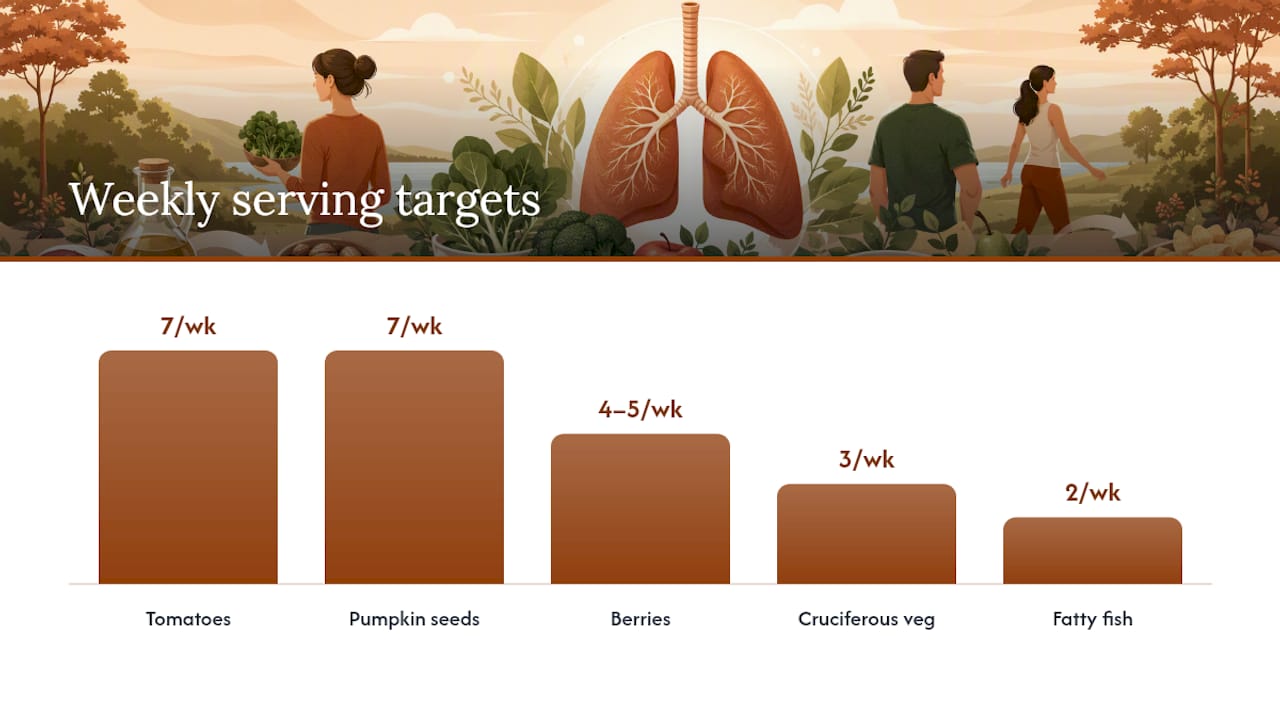
A realistic weekly pattern looks like this: tomatoes daily in some form, fatty fish twice a week, berries four or five times, cruciferous vegetables three times, and pumpkin seeds daily on yogurt or salads.
Pro Tip: Stock your freezer and pantry with frozen berries, canned tomatoes, and tinned oily fish. They cost less than fresh versions, last for months, and deliver nearly identical nutrition, which removes the biggest excuse for skipping these foods on a busy week.
What Smokers, Former Smokers, and People With Asthma or COPD Should Know
Food supports lung repair, but it doesn’t substitute for quitting smoking or following medical treatment for asthma or COPD. Former smokers who eat more apples and tomatoes tend to show a slower decline in lung function compared to those who don’t, which makes these two fruits worth prioritizing during recovery.
- Some people notice less mucus production when cutting back on dairy, though the response varies person to person.
- Avoid high-dose vitamin A supplements if you smoke or recently quit, since research has raised safety concerns in that specific group.
- Dietary magnesium supports baseline airway function, but it isn’t a substitute for prescribed rescue inhalers or emergency care.
- See a clinician promptly for worsening breathlessness, an unexplained cough lasting weeks, or any signs of low oxygen levels.
The Real Story Behind “Lung Cleansing” Foods
Here’s what most articles on this topic won’t tell you: there’s no single miracle food that outperforms the others. The benefit comes from stacking mechanisms, nitrates from beets, antioxidants from berries and tomatoes, omega-3s from fish, magnesium from seeds and greens, together, week after week. Pick one and ignore the rest, and you’re leaving most of the benefit on the table.
I’d also push back on the “cleanse” framing entirely. It implies your lungs are dirty and food is the mop, when the science actually points to something less dramatic and more durable: steady anti-inflammatory eating that helps tissue repair itself over time. If you want the deeper breakdown of why “detox” claims oversell what diet can do, our piece on lung detox myths covers it directly. Former smokers rebuilding their eating habits might also find our protein-first nutrition plan useful for structuring meals during recovery.
— Tommy
Nutrition Helps, but Quitting Still Comes First
Every food on this list works better once smoke exposure stops entirely. That’s not a knock on nutrition, it’s just the honest order of priorities: quitting smoking remains the single most effective action for lung health, and dietary changes work best as backup, not a replacement.
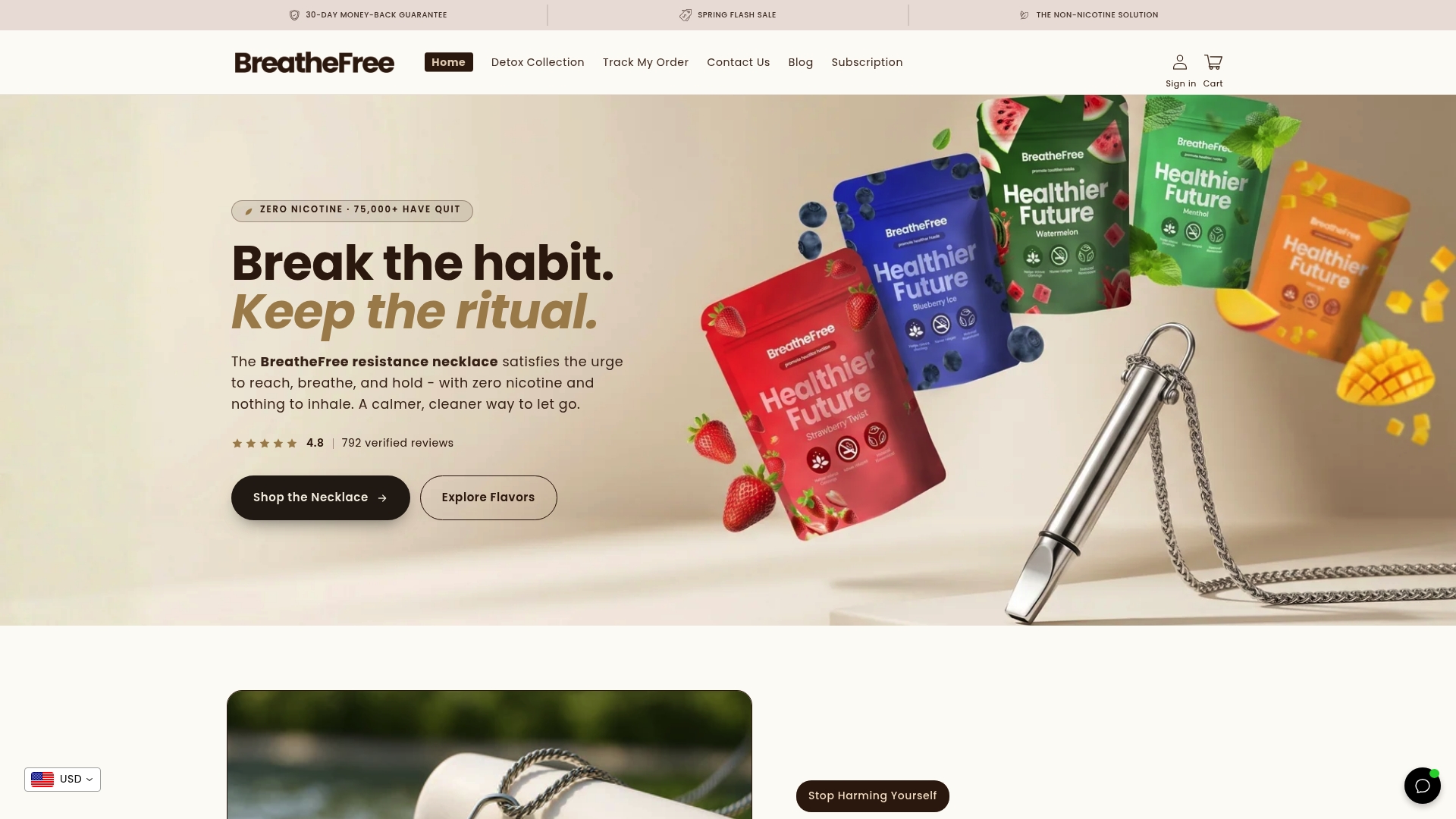
That’s where a resistance necklace fits in as an option. Such a necklace gives you something to hold and use for oral fixation, the ritual many smokers miss most, without any nicotine, chemicals, or inhalation involved. These are fully solid, plant-fiber based tools usable in locations where smoking isn’t an option, often coming with a 30-day money-back guarantee if they are not the right fit. Pair it with the food swaps above and you’re addressing both the habit and the biology at once. Browse the BreatheFree Resistance Necklace and flavor refills to see which starter option matches your routine, and start combining the ritual with the diet changes that give your lungs the best shot at recovery.
Sources
- Nutrition, Lifestyle, and Environmental Factors in Lung Homeostasis and Respiratory Health
- Epidemiologic evidence linking fruit and vegetable intake with preserved lung function
- Dietary nitrate and respiratory physiology: mechanisms and clinical findings
- Vitamin C — Health Professional Fact Sheet | NIH ODS
This article is general information, not a substitute for advice from a qualified doctor. Consult a qualified healthcare professional about your own circumstances before acting on anything here.
FAQ
How can I clean my lungs naturally?
You can’t literally clean your lungs with food, but you can support their natural repair process through anti-inflammatory eating, adequate hydration, and quitting smoking or vaping. Prioritizing nitrate-rich, antioxidant-rich, and omega-3 foods gives your airways the raw materials they need to function well.
What foods are good for lung repair?
Apples, tomatoes, beets, fatty fish, and leafy greens top the list, each supporting repair through a different mechanism, from antioxidant protection to improved oxygen delivery. Research links regular apple and tomato intake to slower lung-function decline, particularly in former smokers.
What kills bacteria in your lungs?
Your immune system, not any single food, handles bacterial threats in the lungs, though nutrients like vitamin C support that immune response. Staying hydrated also helps thin mucus so your airways can clear irritants and pathogens more effectively.
What is the 7 second lung clearing trick?
There’s no verified clinical technique known by that name, and claims like it usually oversimplify how lung clearance actually works. If you’re dealing with mucus buildup or breathing trouble, focus on hydration, avoiding irritants, and speaking with a clinician rather than searching for a shortcut trick.