

Prevent post-quit weight gain by pairing regular meals with prepped, low-calorie snacks and nonfood oral substitutes like gum or a resistance necklace. When a craving hits, try three moves first: drink a full glass of water, chew sugar-free gum or grab an oral substitute, then reach for a pre-portioned veggie snack if you’re actually hungry. Cravings that feel constant now usually fade noticeably within weeks.
TL;DR:
- Cravings are often driven by oral fixation and habits, not true hunger, and they typically subside within four to six weeks of quitting smoking.
- Pre-portioned, protein- and fiber-rich snacks, along with oral substitutes like gum and toothpicks, help manage cravings without excessive calorie intake.
- Preparing an if-then plan for common triggers increases willpower reliability and helps prevent relapse during stressful or habitual moments.
- Movement and oral substitutes can quickly interrupt cravings and occupy the hand-to-mouth habit without reintroducing nicotine or calories.
- Nicotine replacement therapy and medication should be considered if cravings are intense, weight gain is significant, or relapse occurs despite behavioral strategies.
Table of Contents
- Why Quitting Changes Your Appetite (And What to Expect)
- Is It Hunger, or Just Your Mouth Missing a Cigarette?
- What to Snack On (and What to Keep Out of Reach)
- Build an If-Then Plan Before You Need One
- Movement and Nonfood Tools That Cut Cravings Fast
- When Cravings or Weight Gain Call for a Doctor’s Input
- Where a Nicotine-Free Habit Fits Into the Plan
- Try BreatheFree’s Tools Alongside Your Snack Plan
- Sources
Why Quitting Changes Your Appetite (And What to Expect)
Nicotine suppresses appetite and speeds up your resting metabolism. Pull it out of the picture and both things reverse: you get hungrier, and food suddenly tastes better because your senses of taste and smell start recovering almost immediately. That combination explains why so many new quitters feel like they’re thinking about food constantly during week one.
There’s a behavioral layer on top of the biology, too. Smoking gave your hands and mouth something to do dozens of times a day. Remove the cigarette and that hand-to-mouth ritual doesn’t disappear. It just goes looking for a replacement, and food is the easiest one to grab.
The good news: this phase is loud but short. A narrative review on the biology connecting smoking cessation and weight regulation points to nicotine’s dopaminergic and metabolic effects as the driver behind these early appetite shifts, and most people notice cravings easing considerably by the four to six week mark, though the timeline varies person to person.
Skip the crash diet. Restricting calories hard while you’re also fighting nicotine withdrawal stacks two stressors on your willpower at once. Energy crashes trigger the exact grazing behavior you’re trying to avoid, and that combination is a common setup for relapse into both smoking and overeating.
Is It Hunger, or Just Your Mouth Missing a Cigarette?
Run a quick test before you open the fridge: would a full meal, right now, actually feel satisfying? If yes, you’re probably hungry. If the idea of a plate of food does nothing for you but you still want something in your mouth, that’s oral fixation talking, not your stomach.
Certain moments make the urge louder than others — especially right after your morning coffee — and following guidance to reduce caffeine without losing productivity can help manage these coffee-associated cravings.
- Right after your morning coffee
- Immediately following a meal, even a full one
- Evenings, especially in front of the TV
- Stressful phone calls or tense moments at work
Try a five-minute delay when the urge hits outside a normal meal window. Cravings tied to habit rather than hunger often fade on their own after a short time and a distraction.
For the first three to seven days, jot down the time, the trigger, and what you did about it. A pattern usually shows up fast, most people find their cravings cluster around two or three specific moments in the day, which makes them far easier to plan around.
What to Snack On (and What to Keep Out of Reach)
The goal isn’t zero snacking. It’s snacking on things that satisfy the crunch and the hand-to-mouth habit without setting you up for a sugar crash an hour later.
Protein and fiber options that actually hold you over:
- Greek yogurt
- Egg muffins made ahead for the week
- Hummus with cut vegetables
- An apple with a spoonful of nut butter
- Edamame
- Cottage cheese
Low-calorie crunch and oral-fixation fixes:
- Carrot and celery sticks
- Air-popped popcorn
- Sugar-free gum
- Iced water or flavored seltzer
- Toothpicks for that between-snack mouth occupation
Keep these out of easy reach: soda, chips, candy, pastries, and large handfuls of nuts. Nuts aren’t the enemy, they’re just calorically dense enough that “a handful” can turn into 400 calories without you noticing, so portion them ahead of time instead of eating from the bag.
Prep is what actually makes this stick. Buy small containers, portion snacks the day you shop, and put the healthy options at eye level in the fridge, front and center, not buried behind last week’s leftovers. Smokefree’s nutrition and appetite guidance specifically recommends keeping cut vegetables and gum on hand rather than relying on willpower in the moment.
Pro Tip: Eat snacks with your non-dominant hand. It sounds silly, but it physically slows your pace, and slower eating gives your brain time to register that you’re full before you’ve cleaned out the container.
Build an If-Then Plan Before You Need One
Deciding your response to a craving in advance, rather than in the heat of the moment, is what behavioral researchers call an implementation intention. The logic is simple: willpower is unreliable under stress, but a pre-decided script isn’t. When the trigger hits, you don’t debate. You just run the plan.
Six scripts worth copying and adjusting to your own triggers:
- If I crave a cigarette after coffee, then I drink iced tea and chew gum.
- If I want to smoke after a meal, then I brush my teeth immediately.
- If stress hits at work, then I step outside for a two-minute walk before touching anything.
- If I’m bored in the evening, then I pick up a fidget object or my resistance necklace instead of the pantry.
- If a craving hits during a phone call, then I use a toothpick or straw for the duration of the call.
- If I wake up craving a cigarette, then I drink a full glass of water before doing anything else.
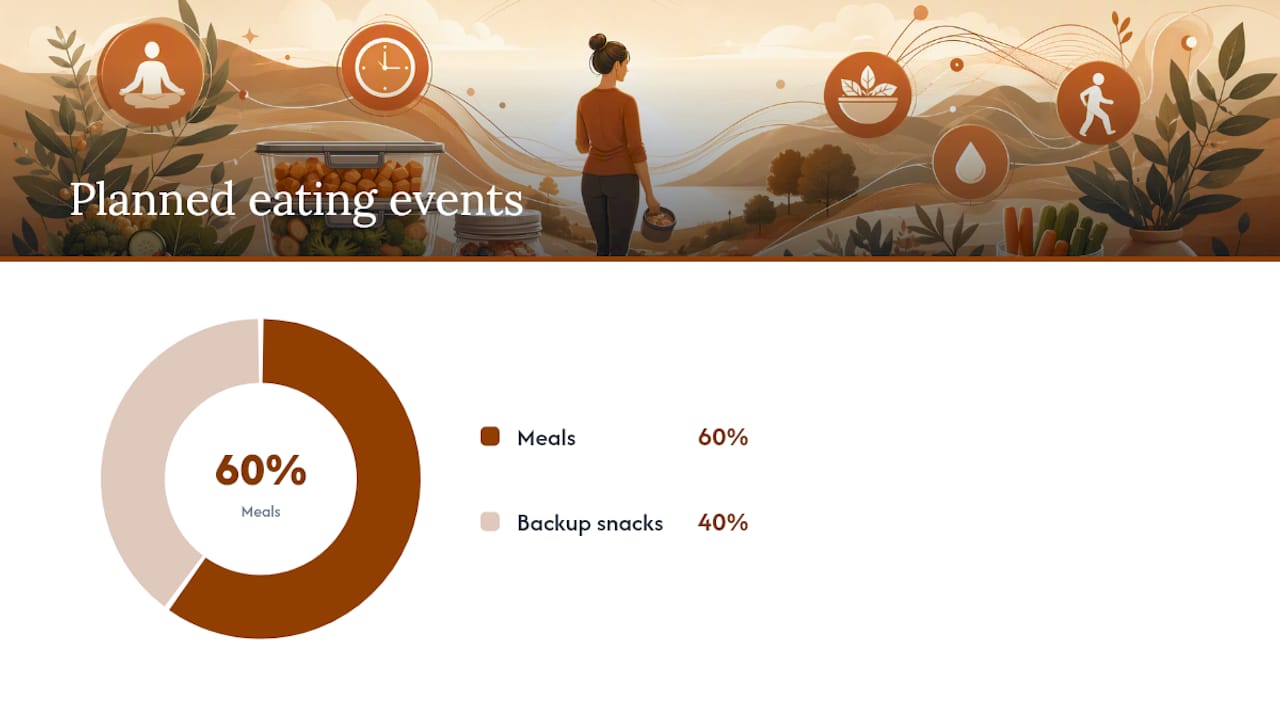
Structure your day around three regular meals, two scheduled backup snacks, and a rough hydration schedule so you’re never running on empty long enough for a craving to snowball. Before quit day, cut your vegetables, stock your substitutes near your usual trigger spots (your car, your desk, your couch), and set up a simple tracking sheet. Even a notes app works.
Movement and Nonfood Tools That Cut Cravings Fast
Movement interrupts a craving almost as fast as food does, without the calories. A brisk walk, a few flights of stairs, ten push-ups, some light stretching, or even just standing up and pacing for a minute all briefly shift your mood and pull attention off the urge, according to the CDC’s overview of withdrawal symptoms.

For the hand-to-mouth side of things: sugar-free gum, mints, toothpicks, a straw, flavored seltzer, or a simple fidget object like a resistance necklace all occupy the same reflex a cigarette used to fill. Immediate oral substitutes work best paired with a specific if-then script, so the substitute becomes automatic instead of one more thing to remember.
Pro Tip: Keep a substitute in every spot you used to smoke, your car, your desk drawer, your jacket pocket, so you’re never caught without one.
When Cravings or Weight Gain Call for a Doctor’s Input
Behavioral tactics handle most cravings, but they’re not the only tool available. Nicotine replacement therapy, bupropion, and varenicline are all options worth discussing with a clinician, who can weigh your history and monitor for side effects.
Consider raising the topic if any of this applies to you:
- You’ve gained significant weight after a previous quit attempt
- You’re managing obesity-related health risks alongside quitting
- Cravings are intense enough that you’ve relapsed to smoking before
The Mayo Clinic’s guide to resisting cravings lists nicotine replacement and trigger management alongside distraction as reliable options. Bring up weight and craving concerns at your next appointment. Ask specifically what medication options might fit your situation and what monitoring looks like.
Where a Nicotine-Free Habit Fits Into the Plan
Most of what works here is behavioral: prepped snacks, a script for cravings, water instead of a cigarette break. What surprised me writing this is how much of the “hunger” people describe is really the hand-to-mouth ritual asking to be filled by something, not necessarily food.
That’s the gap a tool like a resistance necklace is built for. It gives your hands and mouth a nicotine-free object to return to, the same reflex a cigarette used to satisfy, without adding calories or reopening the door to nicotine. Pair one oral substitute with a single if-then script and a habit tracker for your first four to six weeks, and you’ve covered both the physical habit and the planning gap that usually causes people to drift into grazing.
— Tommy
Try BreatheFree’s Tools Alongside Your Snack Plan
A nicotine-free way exists to occupy the exact habit that drives most “craving snacking,” the hand-to-mouth ritual, without adding calories or reopening the door to nicotine.
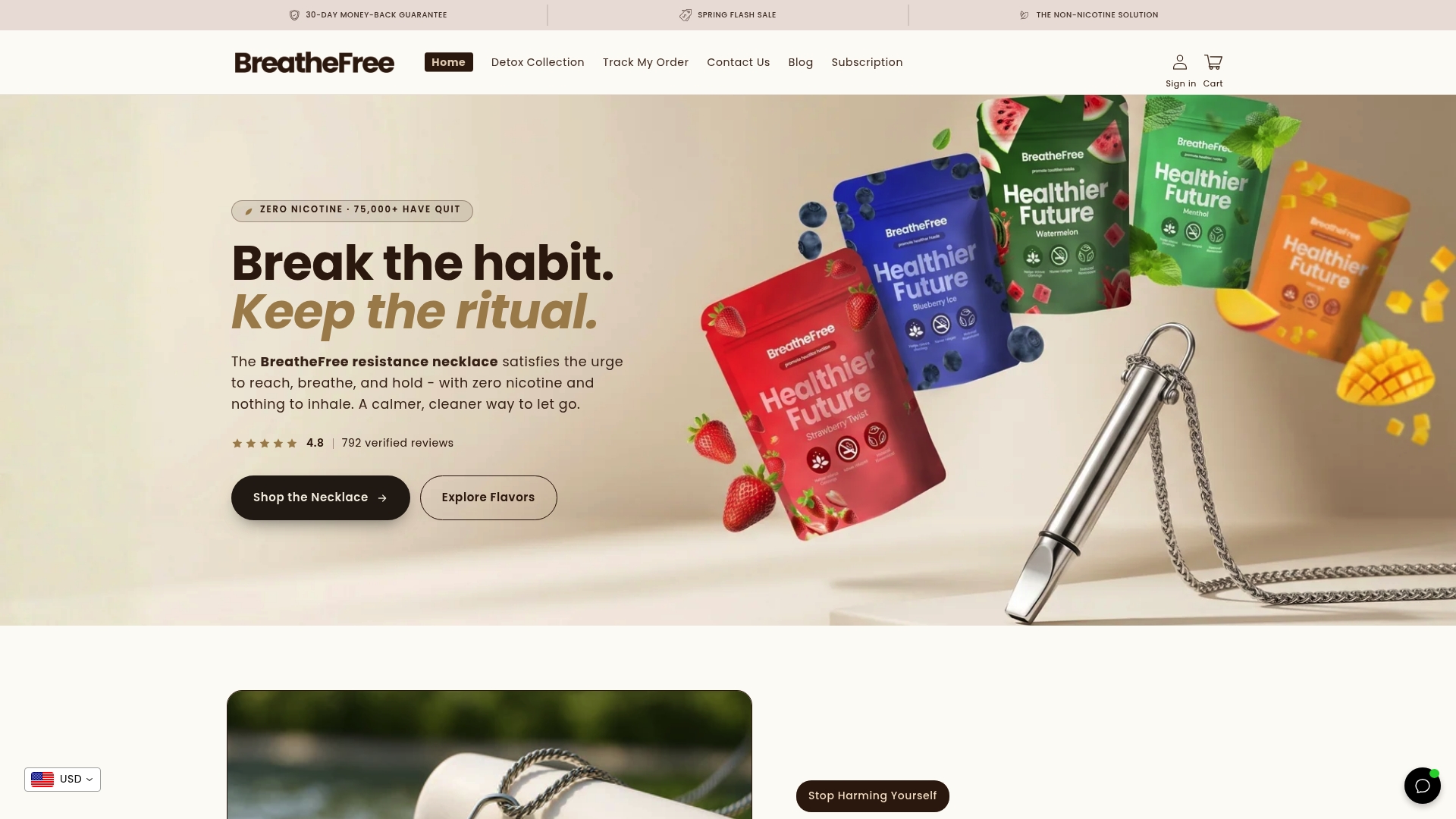
The resistance necklace works well for the moments this article covers: coffee triggers, post-meal urges, evening boredom. Pair it with the Nicotine Detox eBook & Habit Tracker to log your triggers and snack outcomes the same way this article recommends, so patterns show up in days instead of guesswork. These are behavioral supports, not medical treatments, so keep your clinician in the loop if you’re also managing medication or significant weight concerns. Check out the full necklace collection and pick the option that fits your daily routine.
This article is general information, not a substitute for advice from a qualified doctor. Consult a qualified healthcare professional about your own circumstances before acting on anything here.
Sources
- Neurobiologic and treatment overlaps between smoking cessation and weight regulation (narrative review)
- Nutrition & Appetite While Quitting | Smokefree
- Quitting smoking: 10 ways to resist tobacco cravings — Mayo Clinic
- 7 Common Withdrawal Symptoms | Quit Smoking — CDC